

Mathematics
“I enjoy how challenging Maths is, it gets harder so there’s more learning. It makes your brain work more.”
Curriculum Progression
By the end of each key stage, pupils are expected to know, apply and understand the matters, skills and processes specified in the National Curriculum programme of study. The Ready to Progress criteria summarises the most important knowledge and understanding within each year group, demonstrates progression from year 1 to year 6 and highlights important connections between these mathematical topics. St Mary's use the Power Maths and White Rose Maths schemes of learning as their main medium-term planning resources, these include clear links to the National Curriculum and Ready to Progress criteria, ensuring coverage and progression.
National Curriculum Programme of Study Ready to Progress St Mary's Curriculum Overview KS1 KS2 EYFS Maths Curriculum Overview
Vocabulary
Click below to learn about our Maths Curriculum Intent, Implementation and Impact:
Intent
Maths is a powerful tool with great relevance to the real world. For this to be appreciated by pupils, they need direct experience of using Maths in a wide range of contexts throughout the curriculum.
We intend on delivering a curriculum which aims to:
-
- Promote enjoyment and curiosity about Maths for all children
- Develop an awareness of its power to understand the world, communicate and explain
- Provide children with an appreciation of the beauty and power of maths
- Encourage independent learning
- Promote fluency in arithmetic and in the recall of key number facts
- Provide opportunities to use Maths in real contexts
- Provide activities which encourage the acquisition of knowledge, skills and understanding
- Develop and encourage the use of mathematical language as a tool for explanation
- Encourage experimentation with the pattern of Maths and prediction of possible outcomes
- Consistently teach investigation skills across the school
- Enable children to understand relationships and patterns in both their maths lessons and in their everyday lives.
- Support children to see Mathematics as being relevant to their world as well as being something that they will need as they move on through their school life and ultimately to the world of employment.
- Give children a sense of awe and wonder surrounding Maths.
- Ensure that all children can solve problems and reason and explain mathematically.
Implementation
The National Curriculum sets out year-by-year programmes of study for key stages 1 and 2. This ensures continuity and progression in the teaching of mathematics. The EYFS Statutory Framework 2024 sets standards for the learning and development of children in the EYFS, supported by the ‘Development matters’ non-statutory guidance.
Years 1-6 use the Power Maths and White Rose Maths schemes of learning as their main medium-term planning resources. These schemes provide teachers with exemplification for Maths objectives, broken down into small steps and including fluency, reasoning and problem solving, key aims of the National Curriculum. They support a mastery approach to teaching and learning and have number at their heart
Mastering Number is delivered in Reception and KS1 classes – additional short daily sessions which focus on fluency in recall of number bonds and subitising. White Rose Maths materials are used in Nursery and for Reception class Shape, Space and Measures.
Teachers are provided with a range of additional resources to support daily planning, such as NCETM, Nrich and I See Reasoning. EYFS planning will ensure the children learn through a mixture of child initiated and adult led activities, both inside and outside of the classroom.
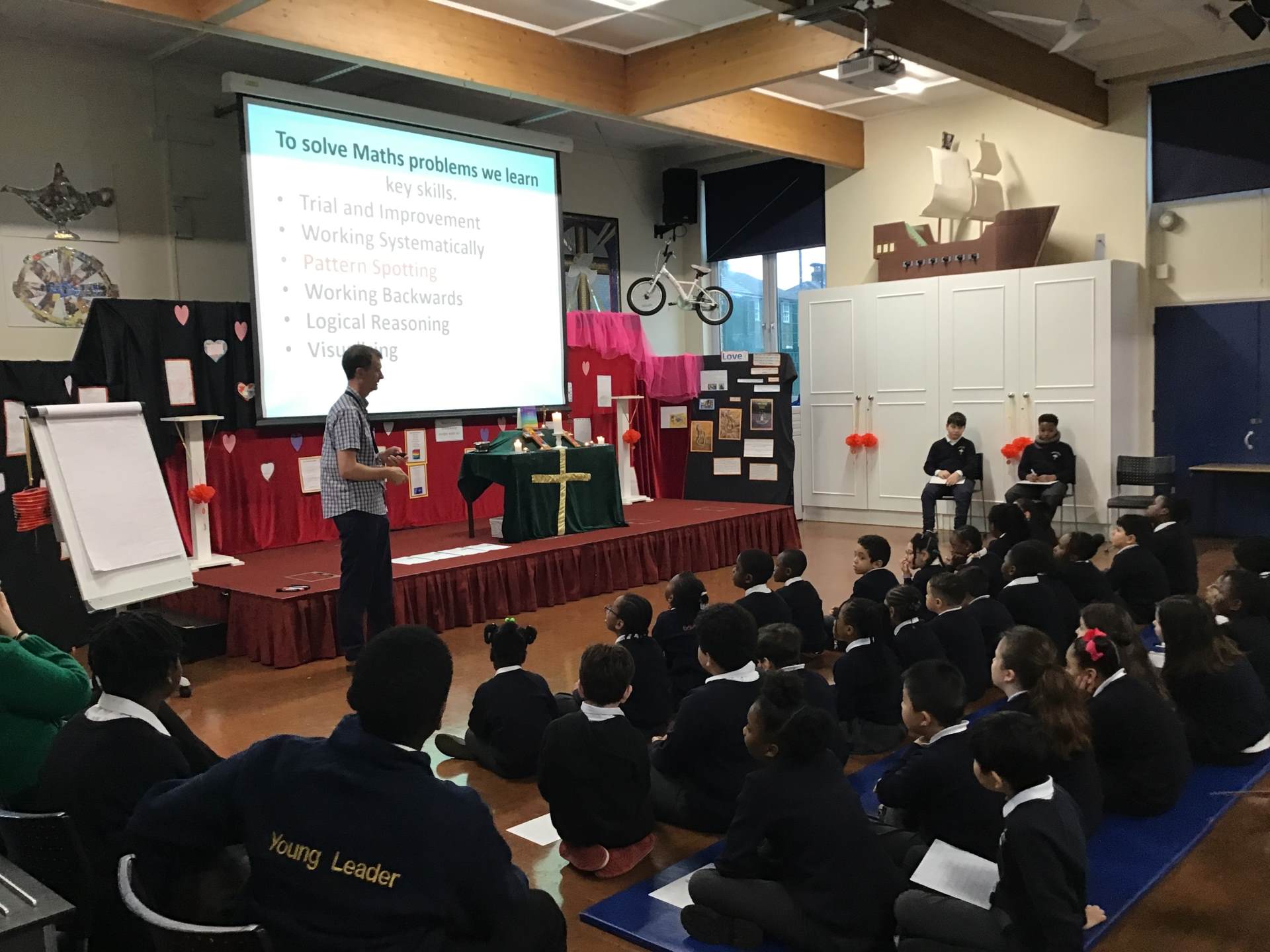
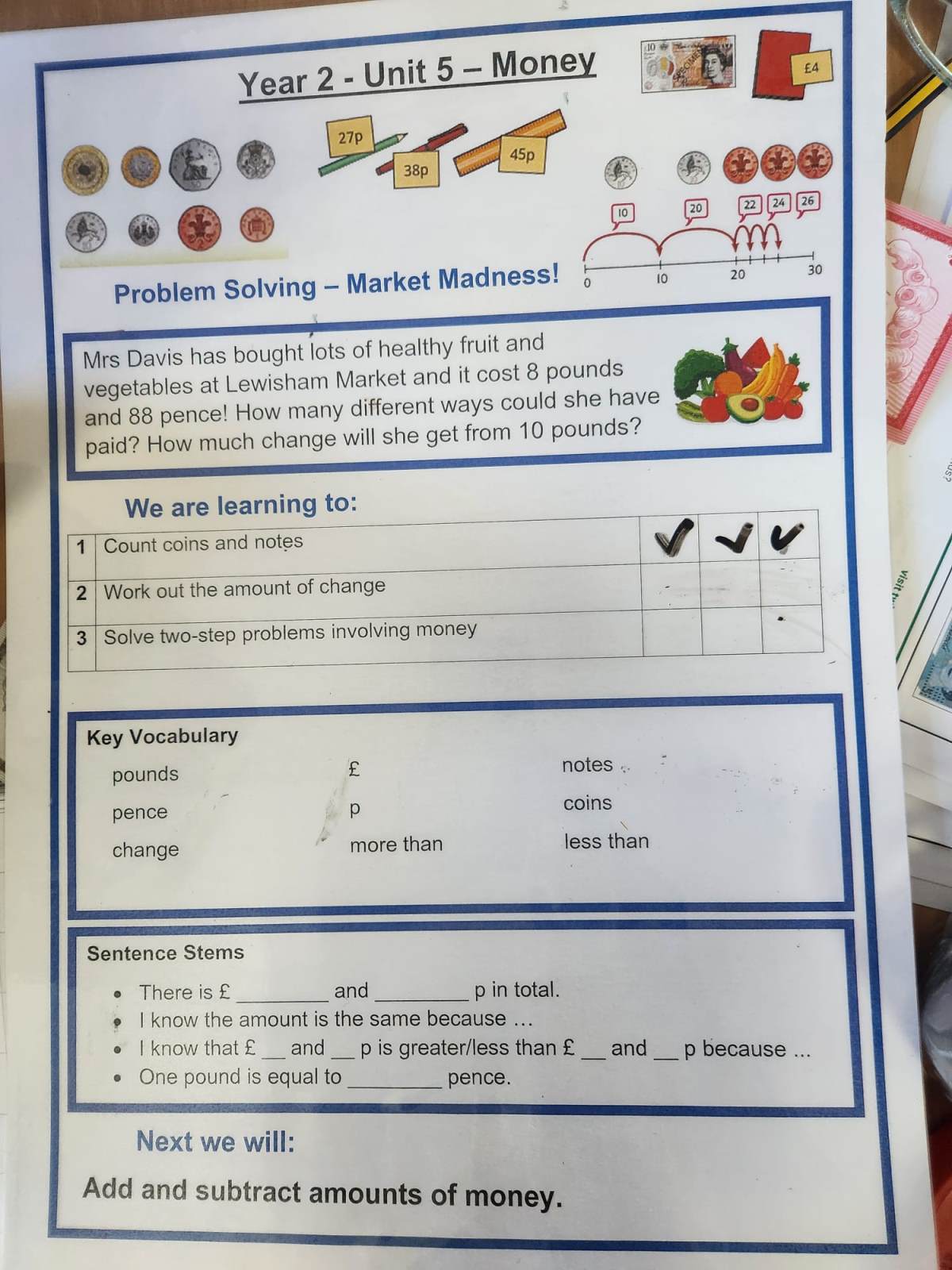
Problem solving is promoted through daily planning. There is also a cross-curricular problem-solving activity planned for each Unit. Additionally, there is a focus every half-term on teaching a different problem-solving skill.
In line with the School’s Inclusion Policy each child will have an equal entitlement to all aspects of the Maths curriculum and to experience the full range of Maths activities. Lessons involving lots of visual, aural and kinaesthetic elements will benefit all children including those for whom English is an additional language (EAL). Pupil Progress meetings are timetabled each term for all classes. Progress of pupils is discussed and appropriate intervention considered and put in place, with a focus on Quality First Teaching. Challenge for all pupils, including the Most Able pupils, will be built into lessons and monitored.
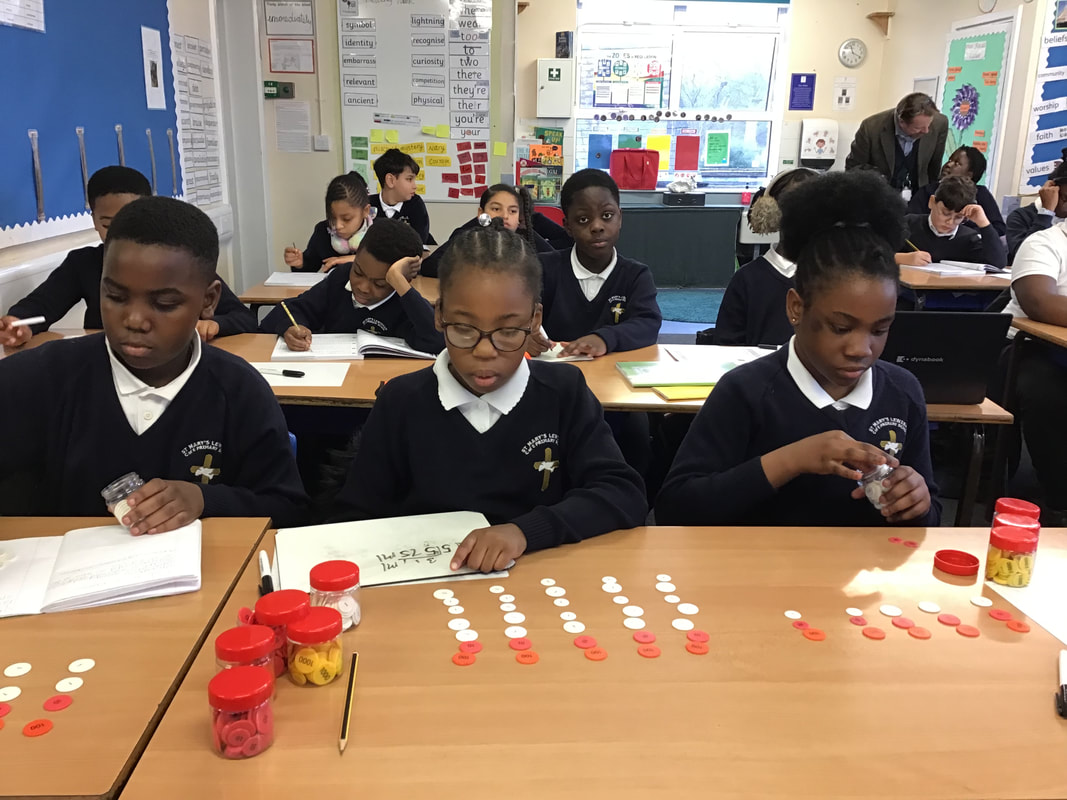
Resources are available in class for self-selection. A whole class number line will be displayed in each classroom as age appropriate. There will be a Maths display board in each class. Each classroom will have a vocabulary target displayed, containing key vocabulary for the current unit. This will be referred to throughout lessons with the aim that children can use Maths vocabulary fluently and in context.
The Subject Leader will organise regular events to raise the profile of Maths, including participation in festivals with other schools, a weekly Maths Club, half-termly problem solving KS2 sessions and challenges, a whole school times table challenge and a whole school ‘make 100’ summer challenge.
Targets for each unit are generated and shared in every lesson using the Maths Unit Cover sheet. In addition, children have a times table or number fact target which is shared with parents.
Children will be provided with feedback either verbally or through written marking. Teachers should adhere to the school’s Feedback and Assessment Policy. Children will take a weekly Arithmetic Fluency Review.
Termly assessments will be carried out across the school using the assessment materials for each year group provided by the White Rose Maths Hub. These materials, as well as end of unit assessments, will be used alongside judgements made from class work to enable teachers to make assessment for each child.
Impact
- Progress in skills development within each year group
- Progress in knowledge and understanding of the mathematics concepts
- Children confident at tackling new challenges
- Children show perseverance and stamina when tackling a challenging task
- Children can articulate, select and apply a range of strategies to problem solving
- Children can use key maths vocabulary fluently, in full sentences and in context
- Pupil voice demonstrates that children can articulate their progress and their next steps of learning
- Feedback supports children to make progress
- Over time, KS1 and KS2 outcomes in Maths are above National average levels
- Progress measure from KS1 to KS2 is positive and children make accelerated progress
- The percentage of children at greater depth in Maths increases at KS1 and is above National average at KS2
- EYFS & Y4 MTC results remain above National Average
Naughty Bus
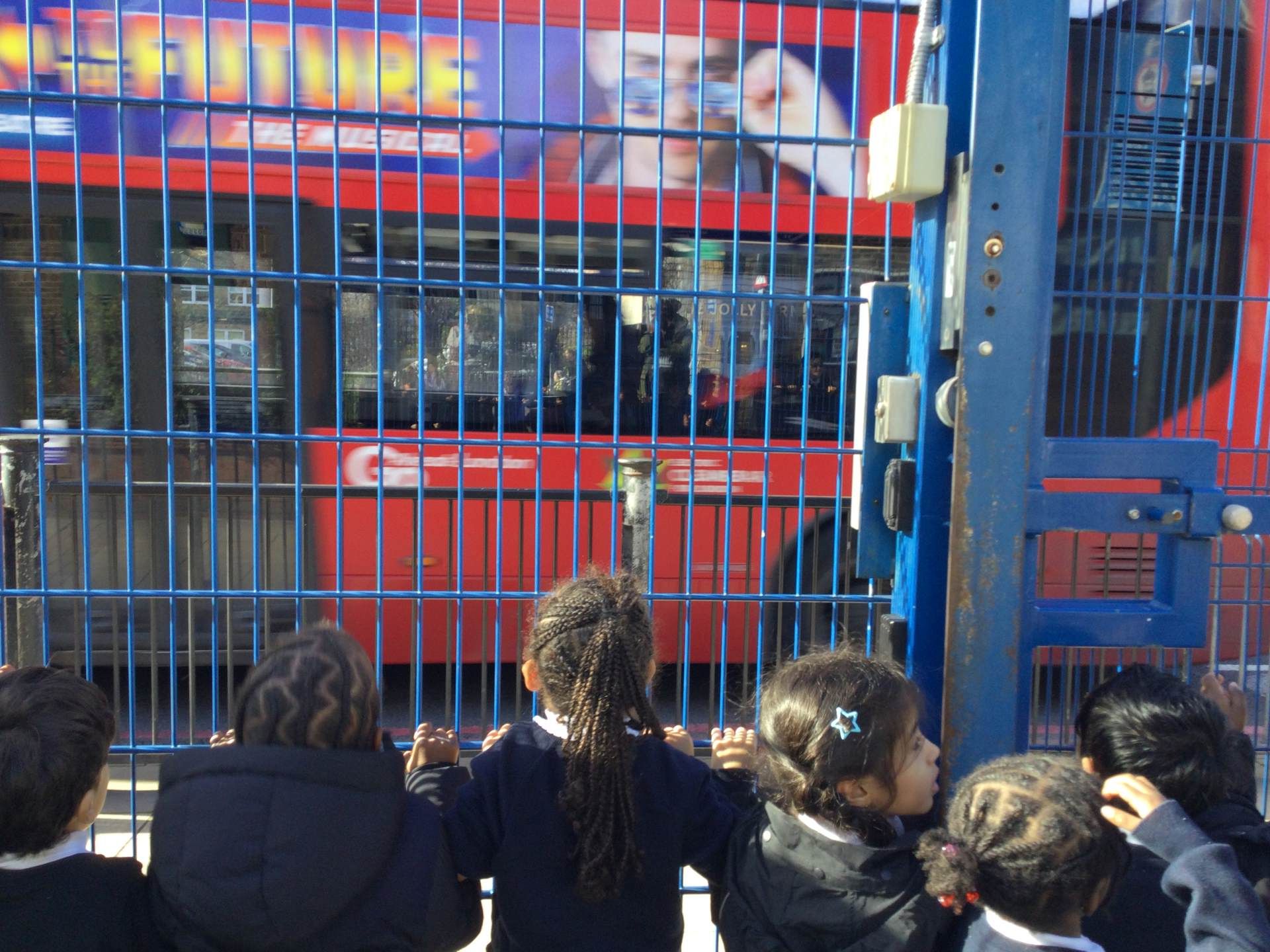
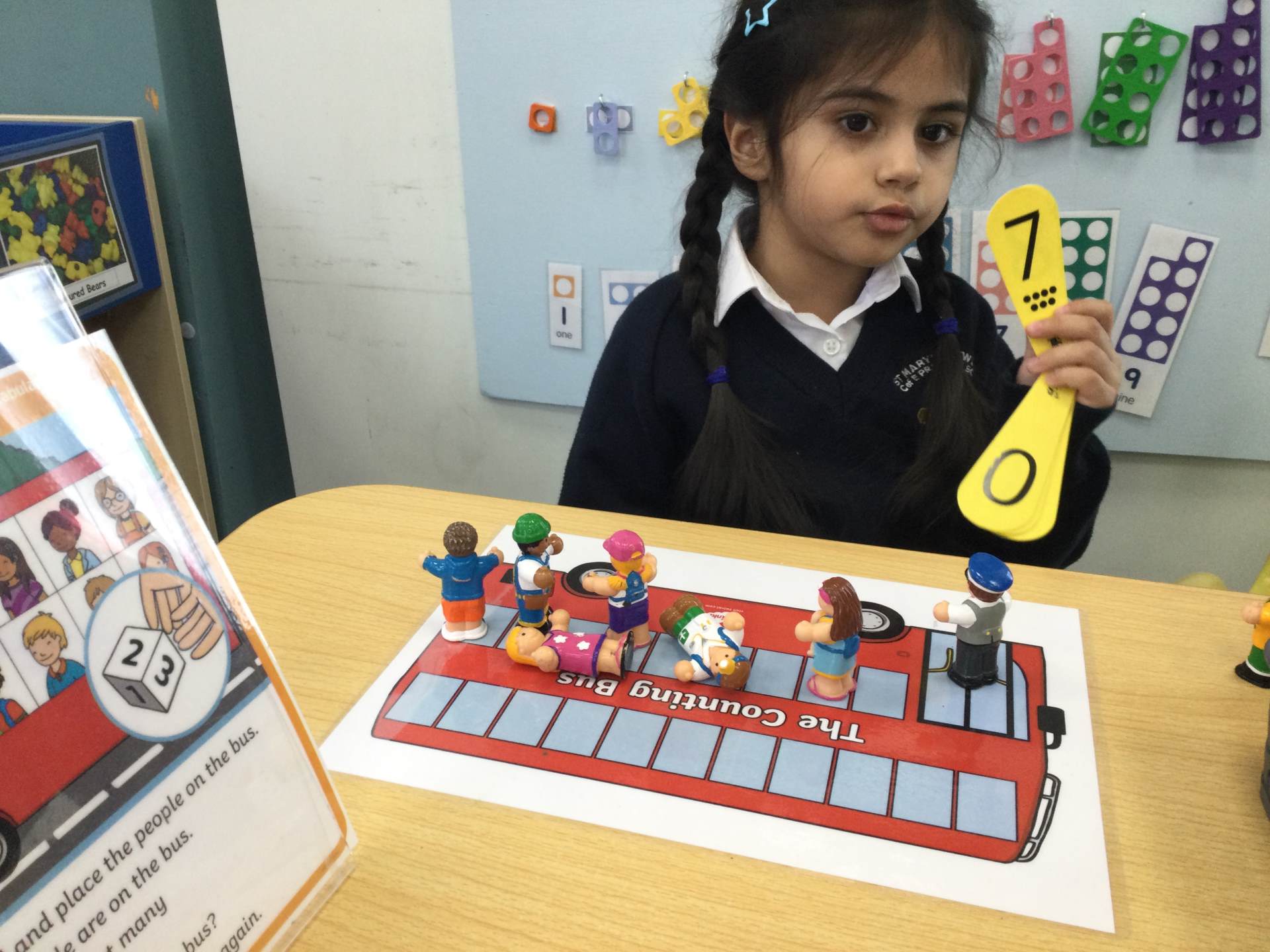
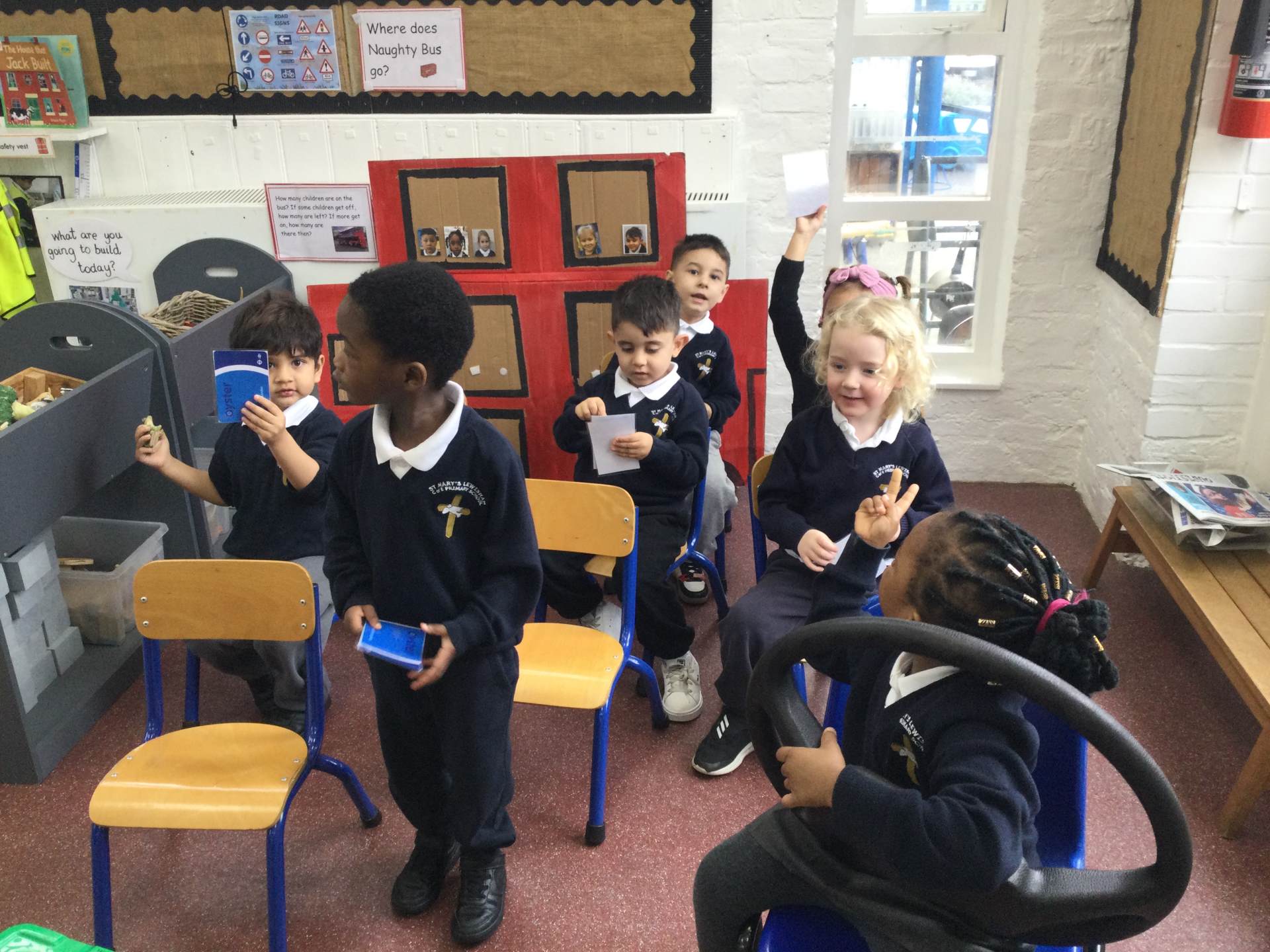
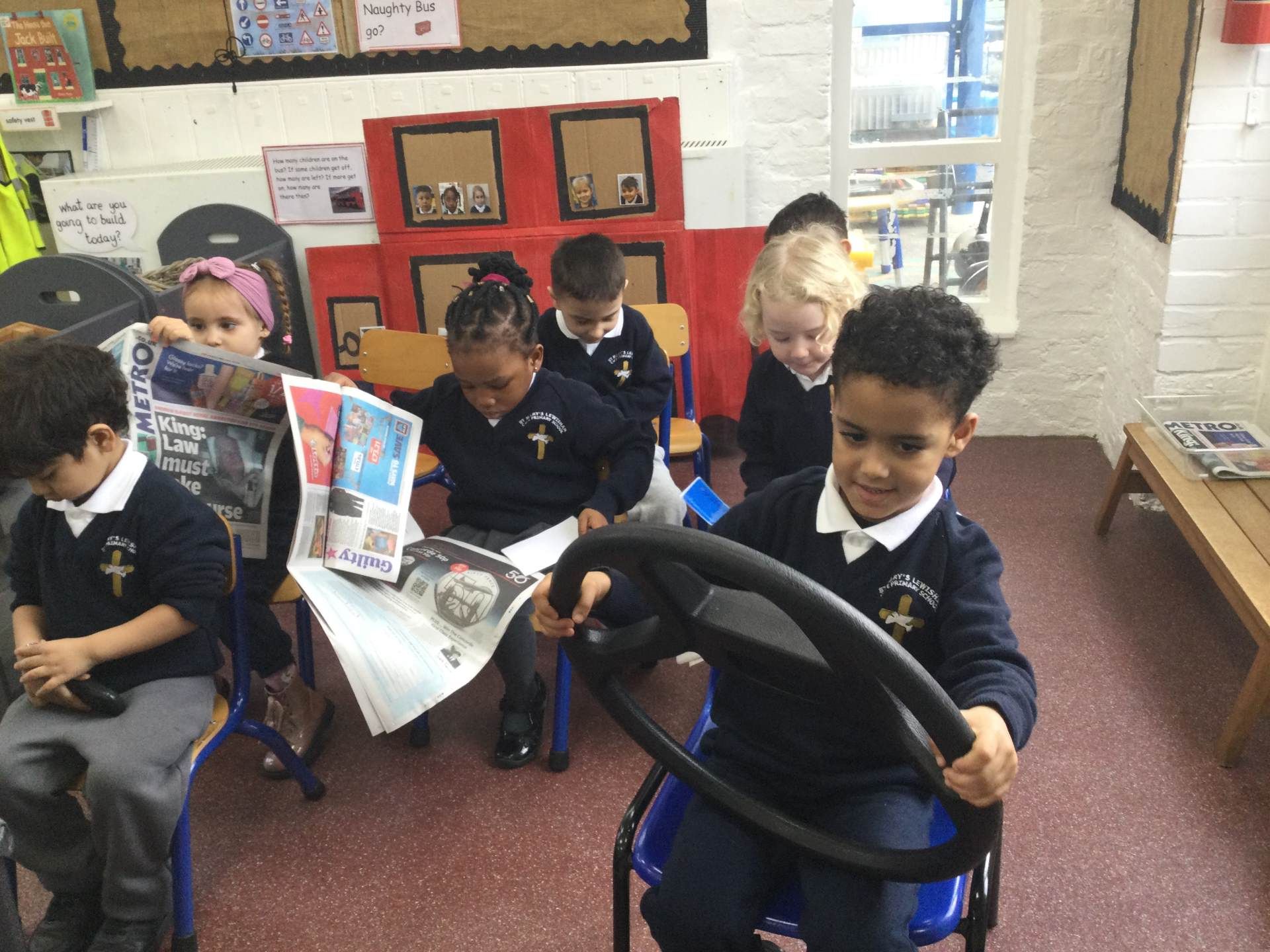
Nursery have been exploring all things to do with buses, after reading the wonderful 'Naughty Bus' story. They tapped their Oyster cards to get on the class bus, counted how many passengers were on the bus and watched the real buses travelling down Lewisham High Street!
Maths Club
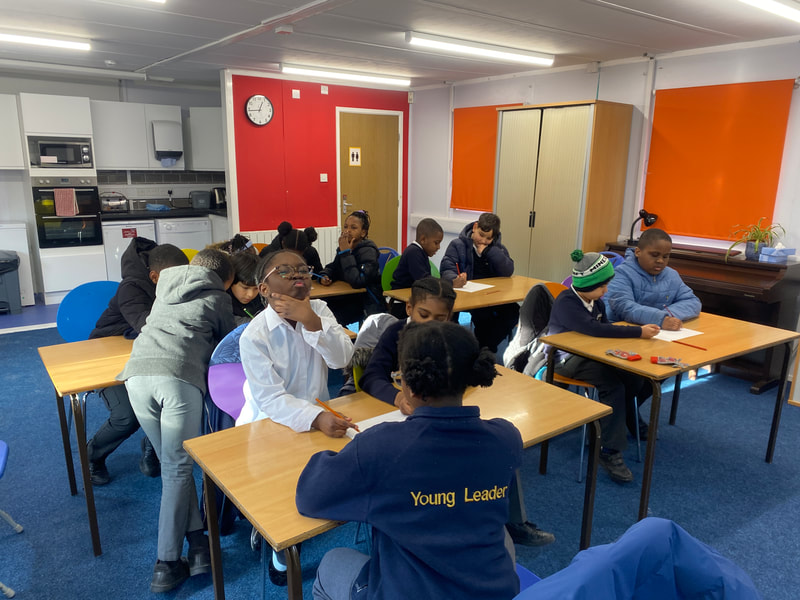
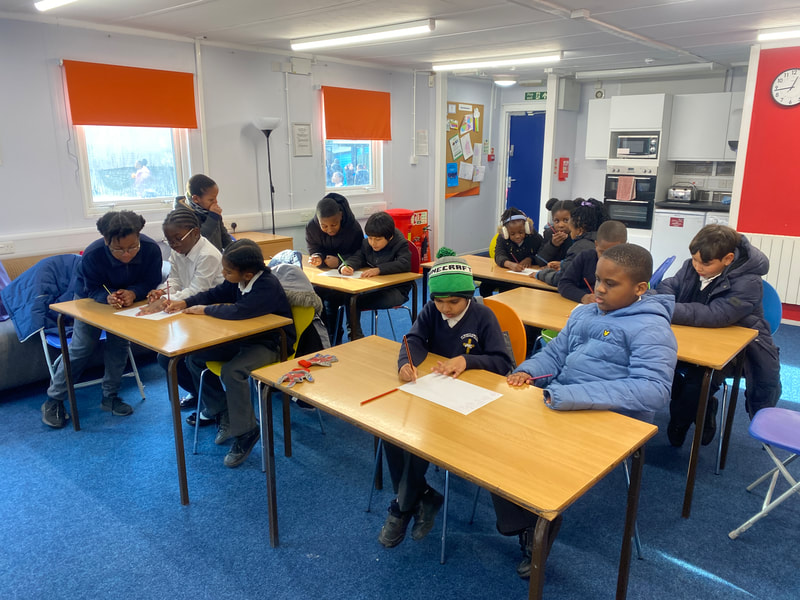
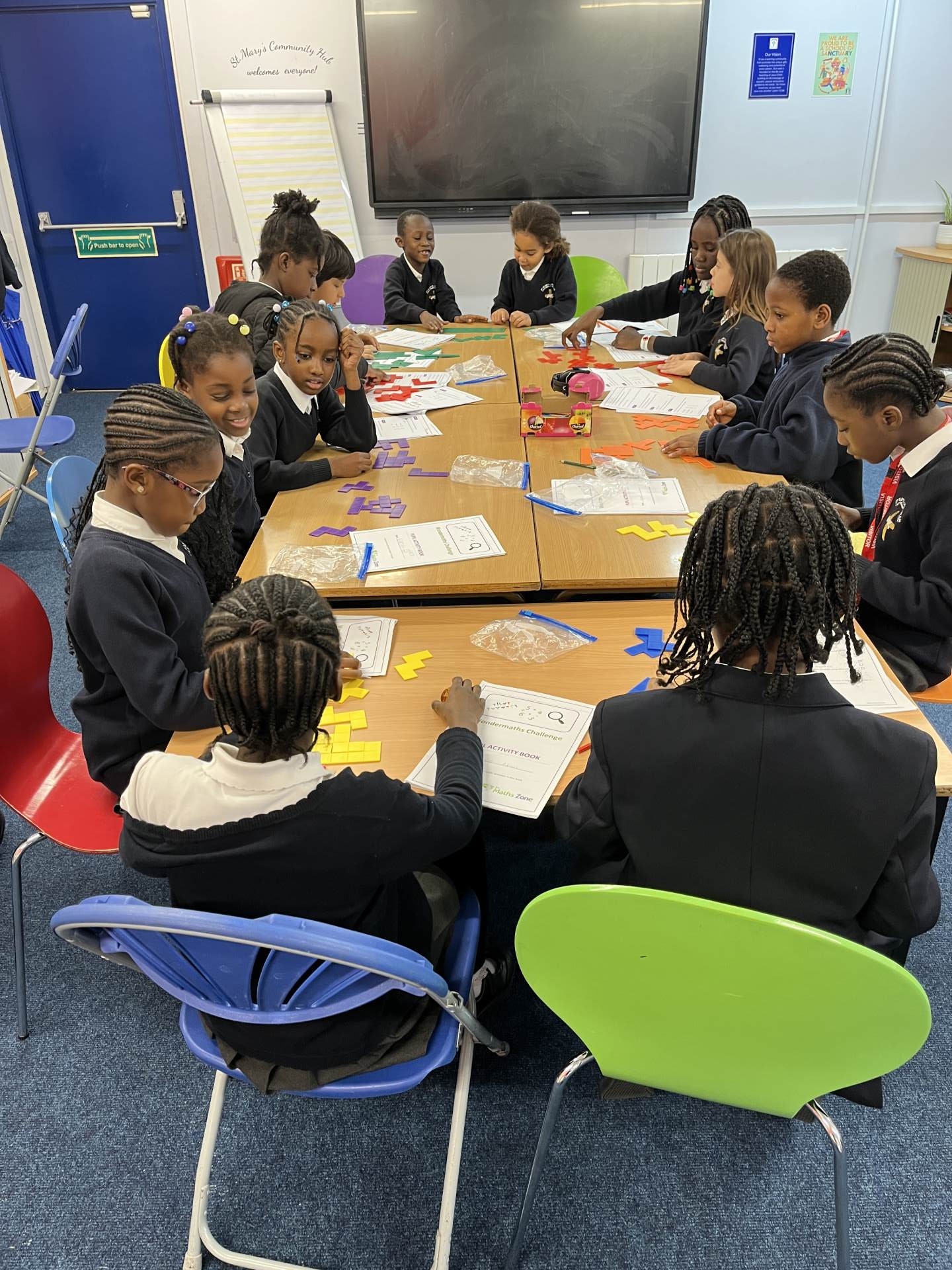
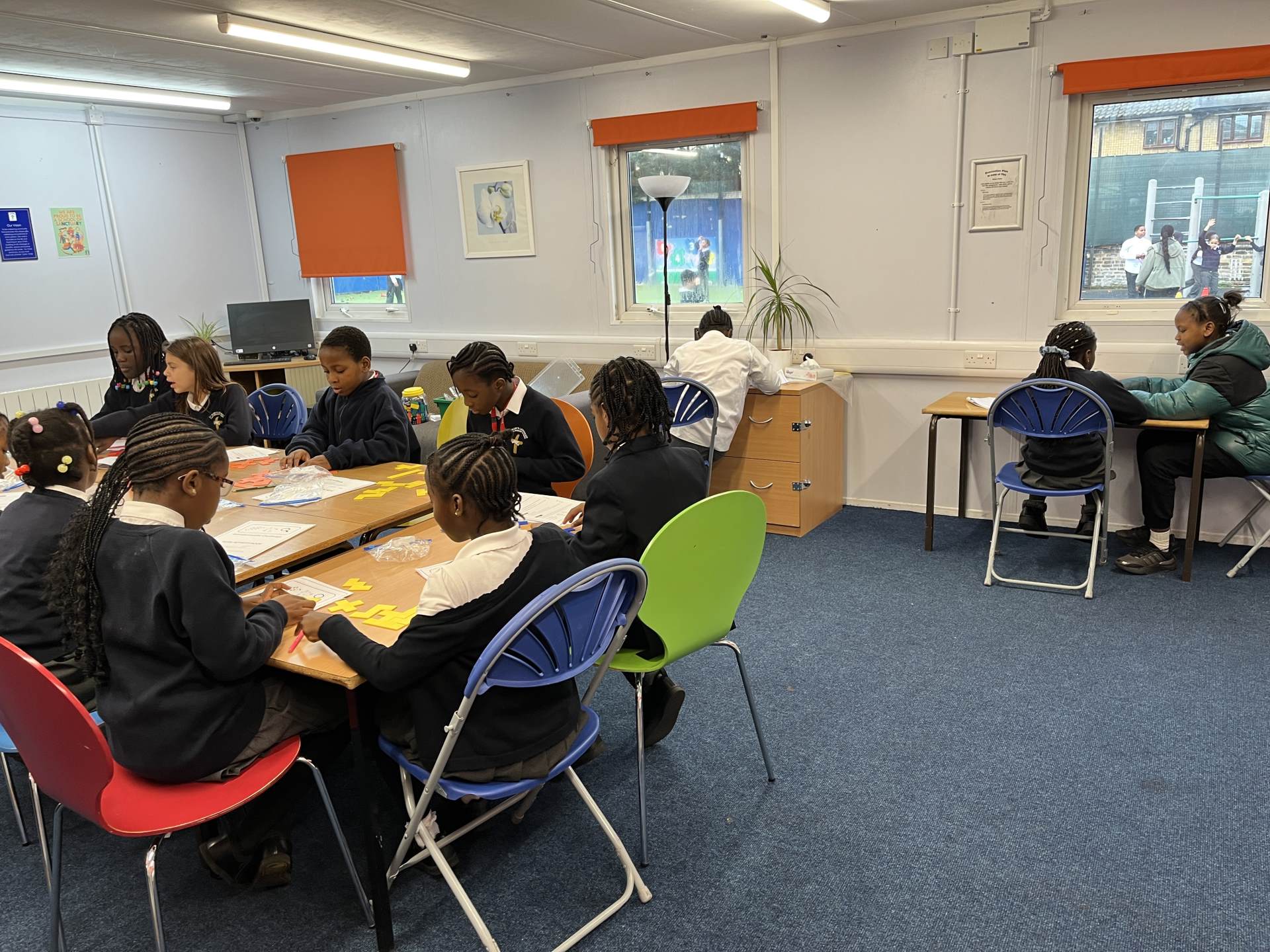
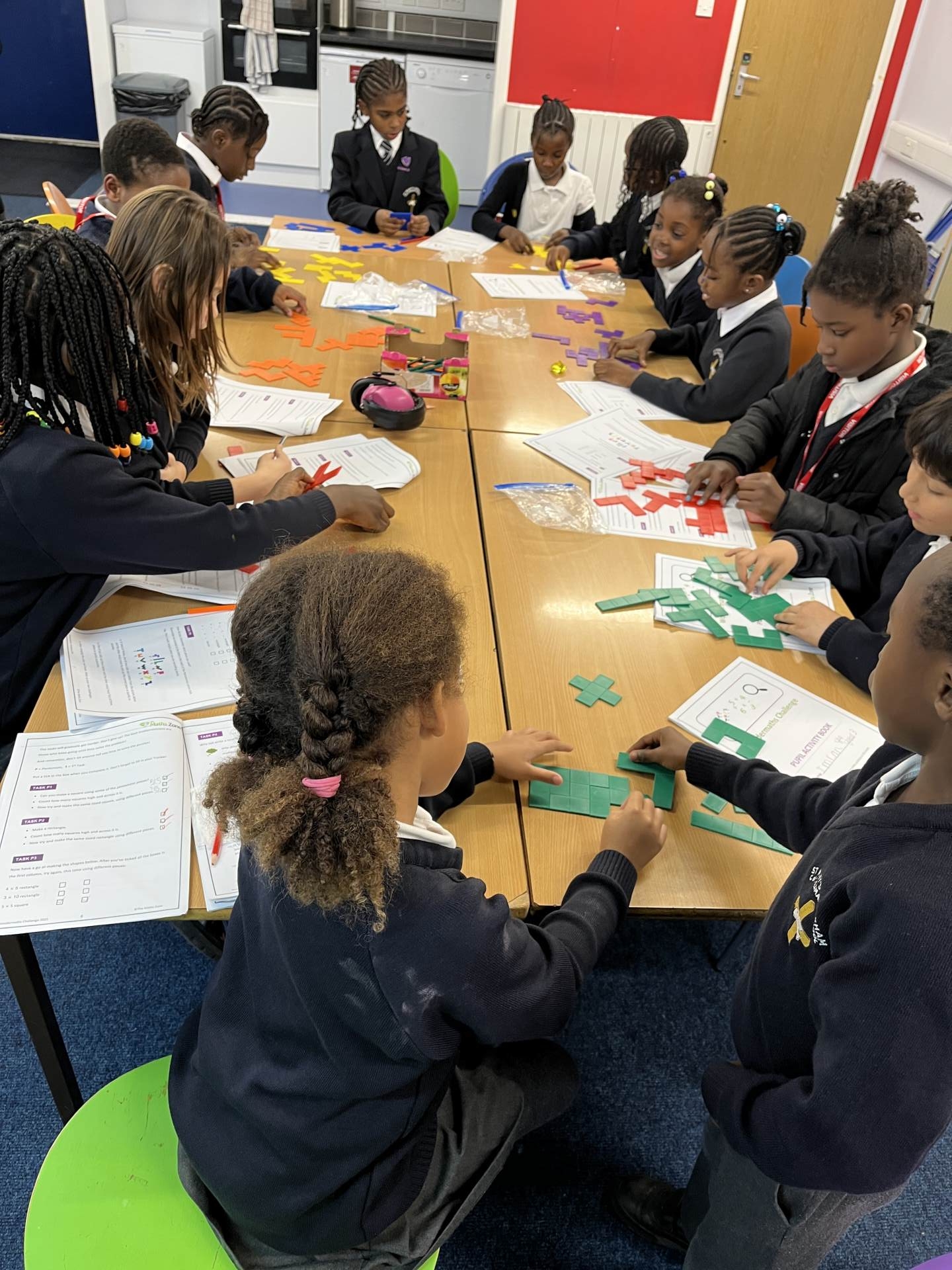
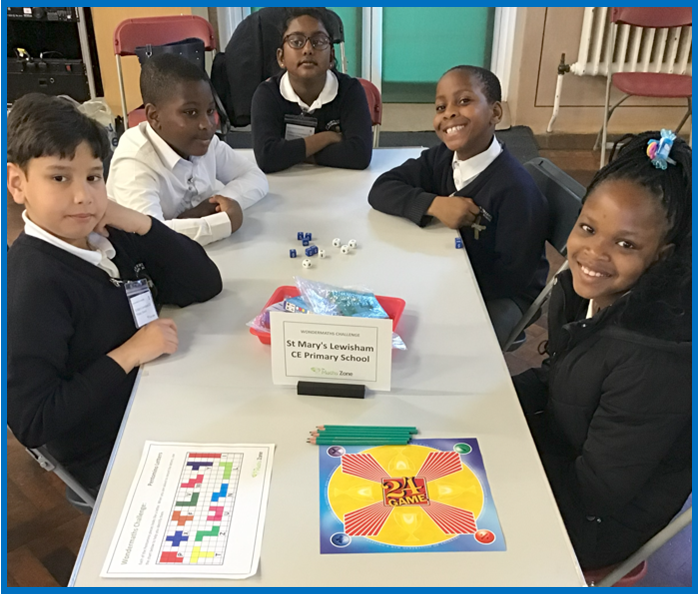
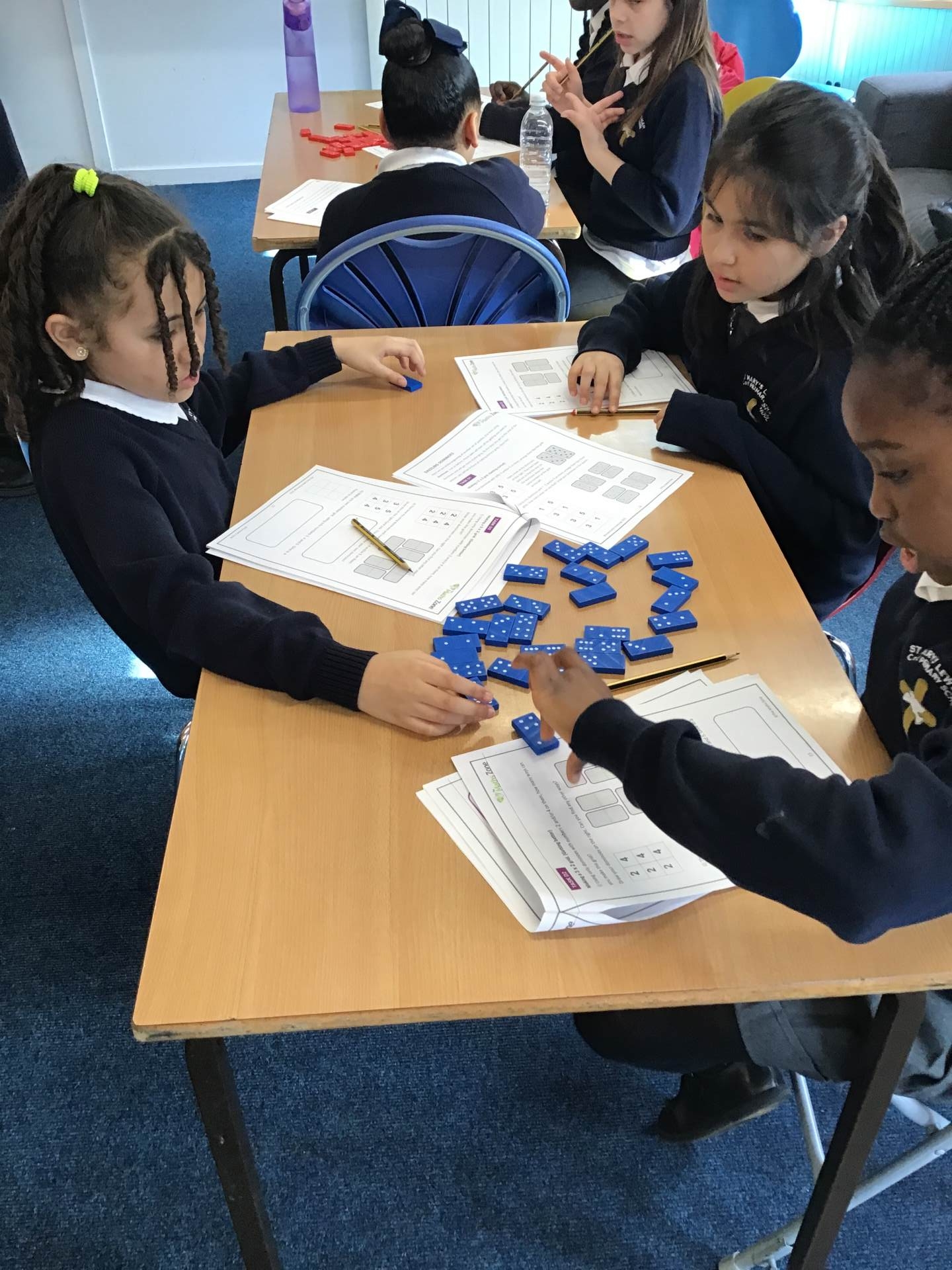
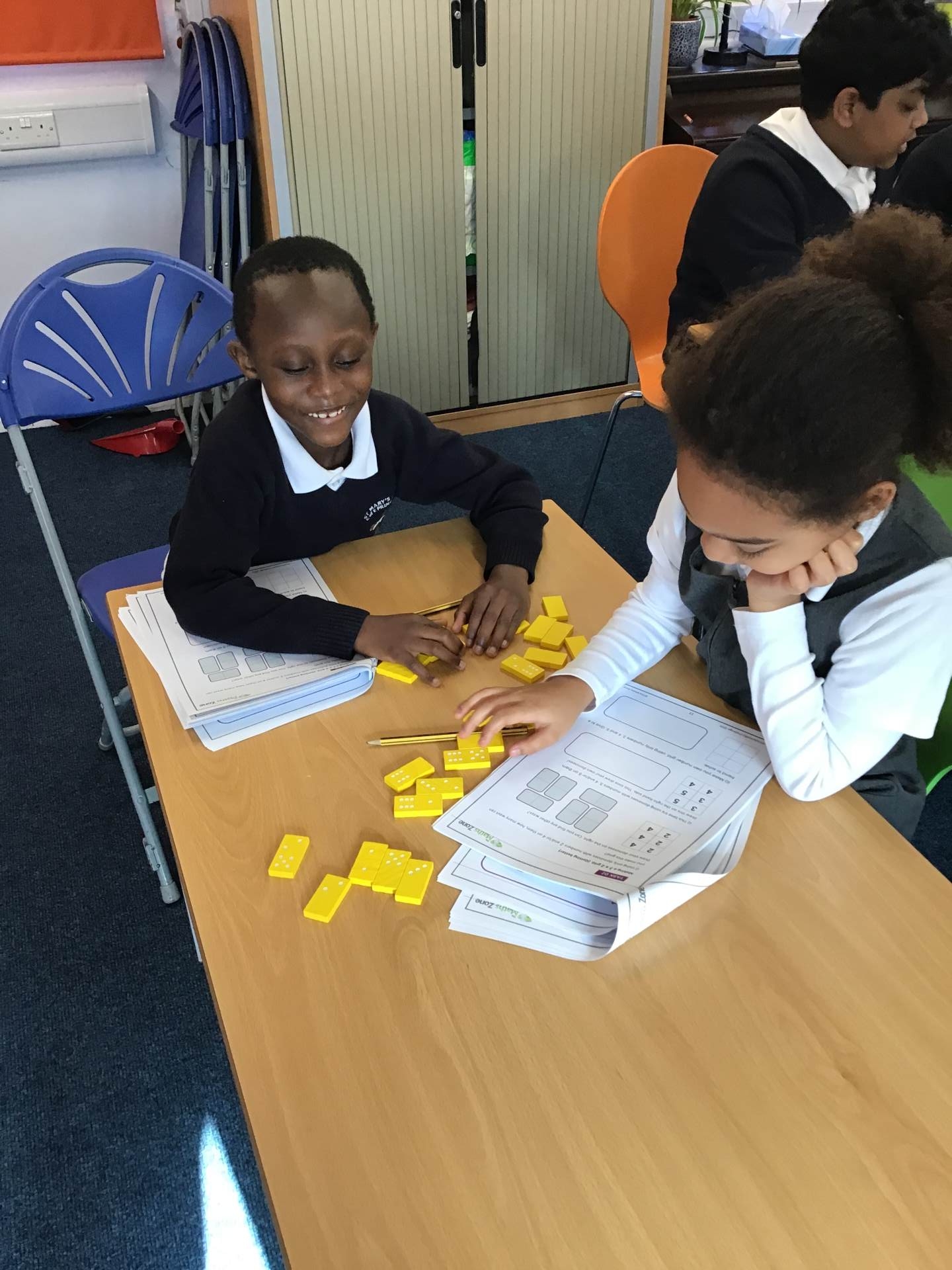
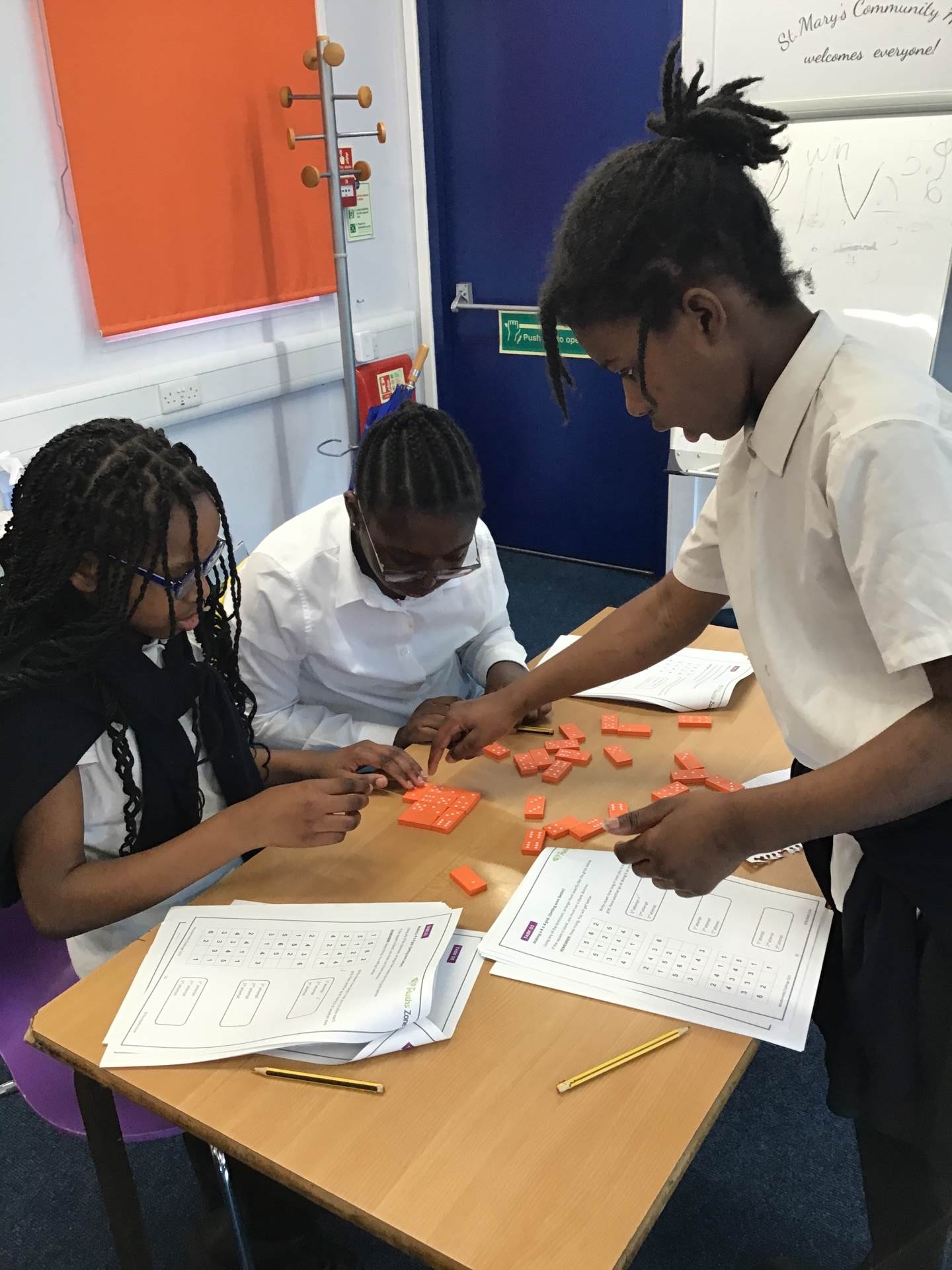
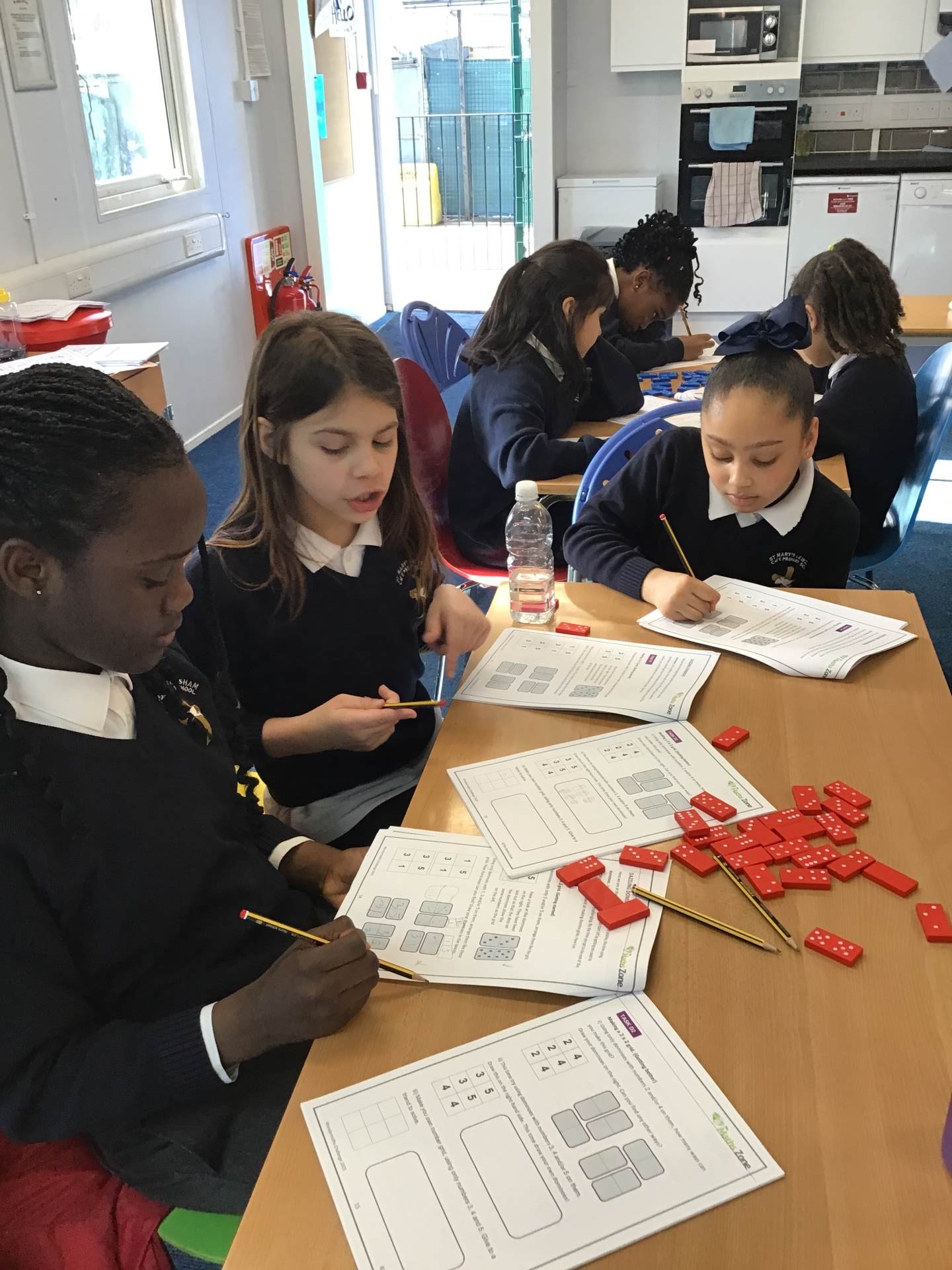
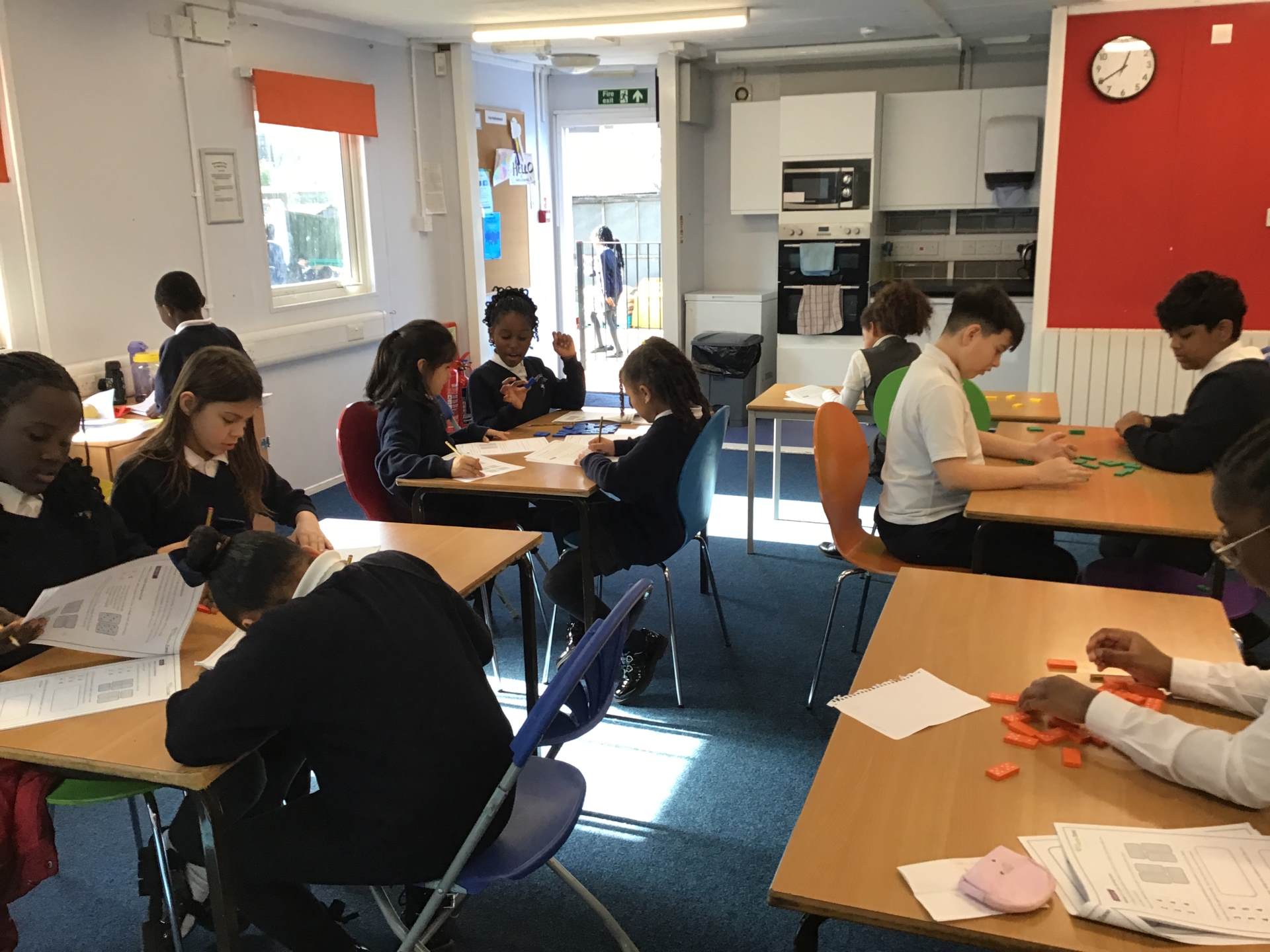
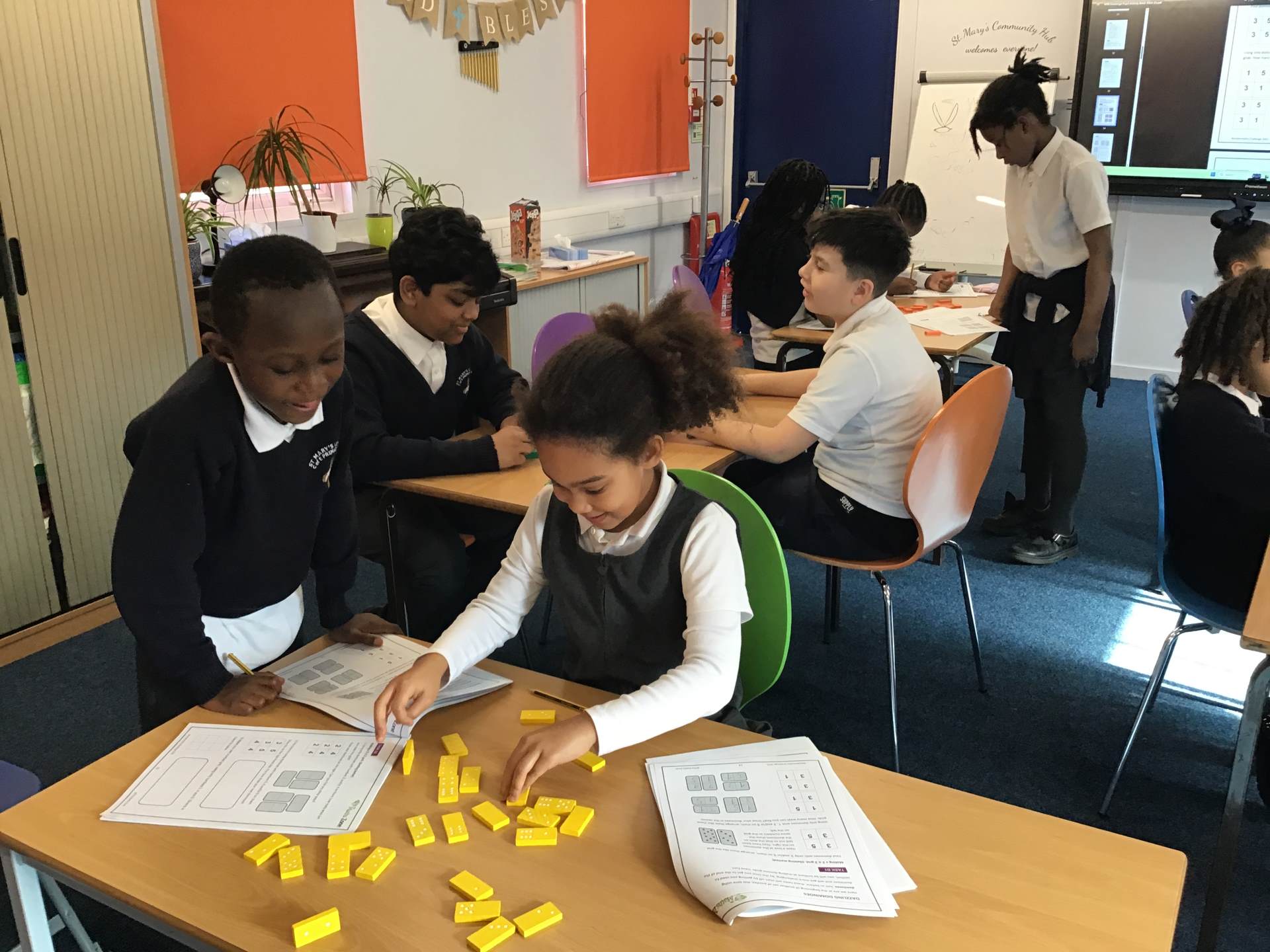
Every week, our Maths Club will be meeting with Mr Wright to enjoy a series of hands on Maths Challenges. The activities and games will involve Problem Solving and Games linked to shape and space, calculations, code breaking and pattern spotting. We prepare to take part in annual tournaments against other schools across London! Last year, our team performed really well and finished 4th out of 11 Schools in our heat, narrowly missing out on a place in the finals.
Maths Problem Solving
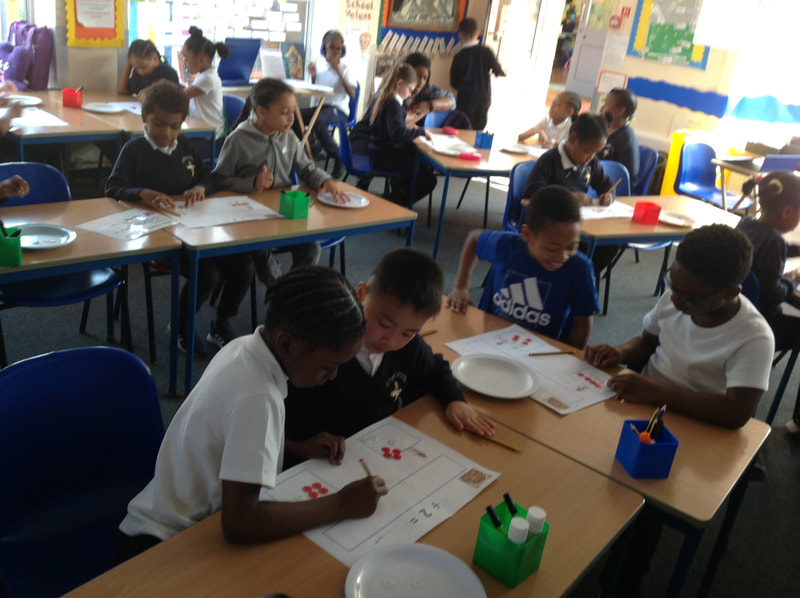
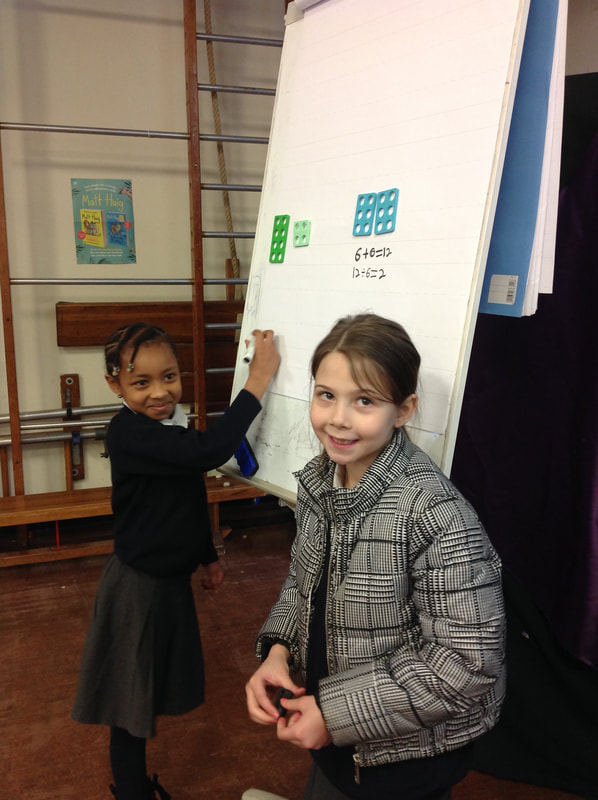
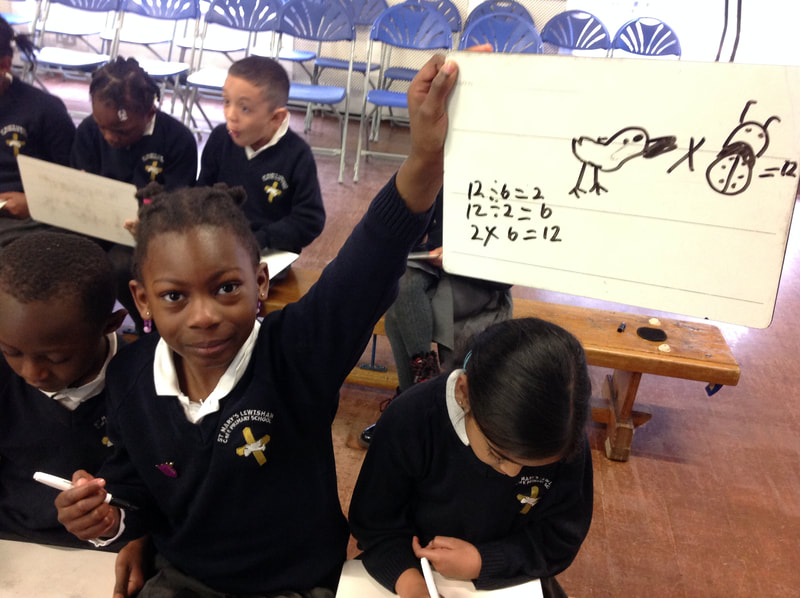
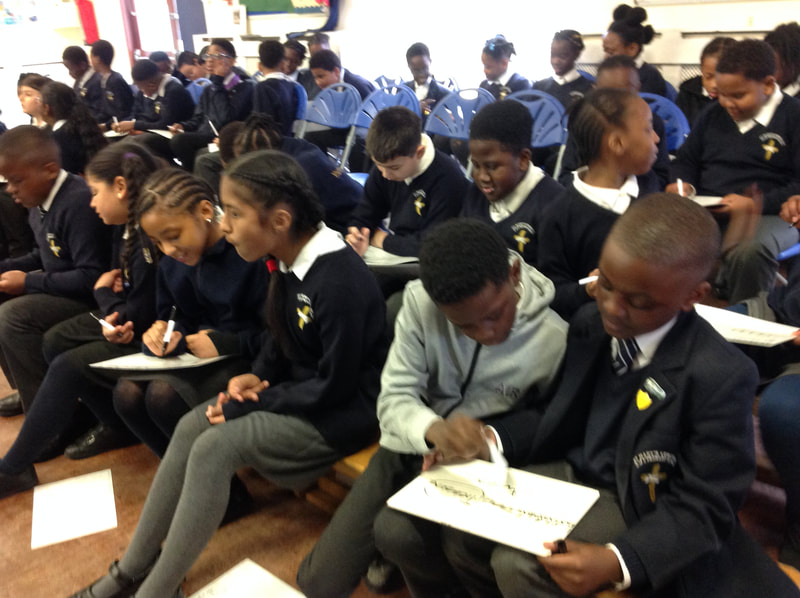
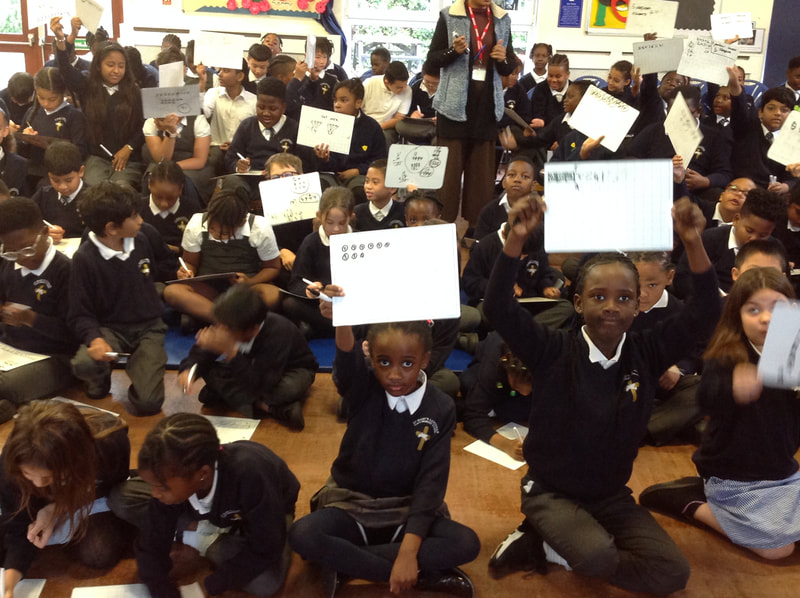
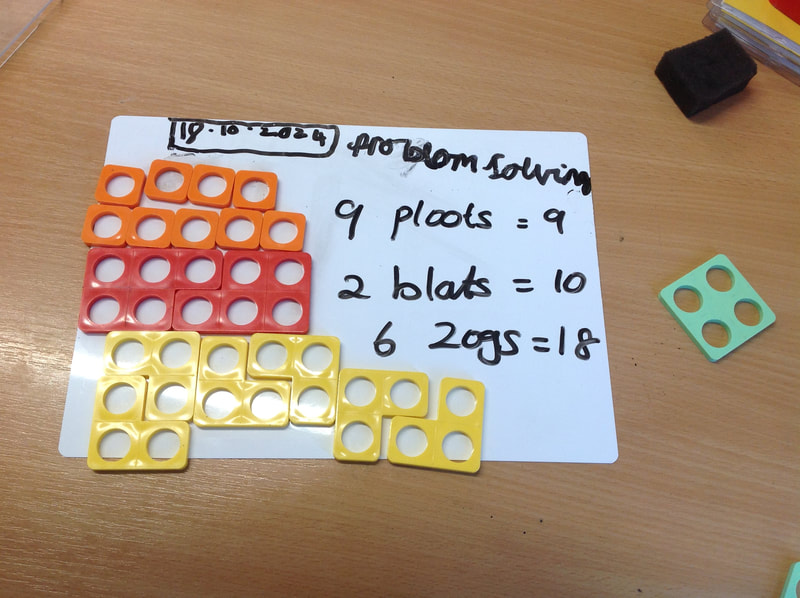
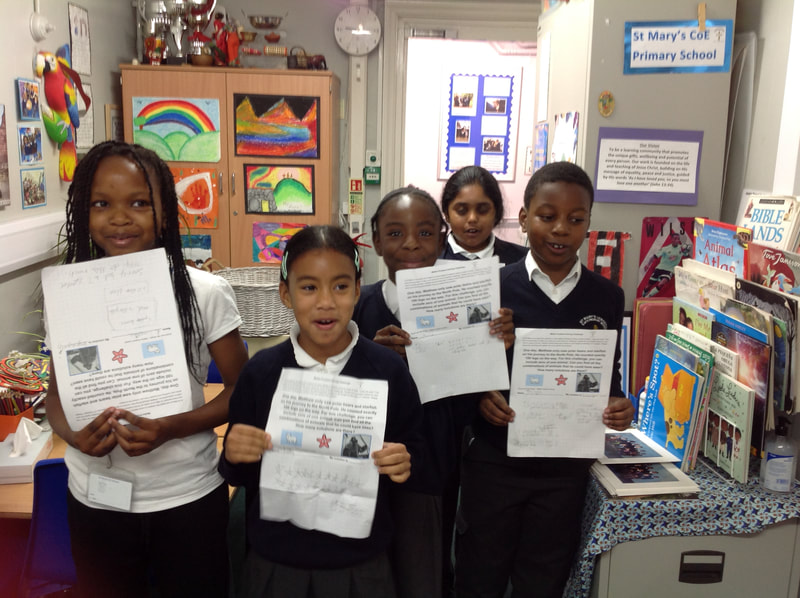
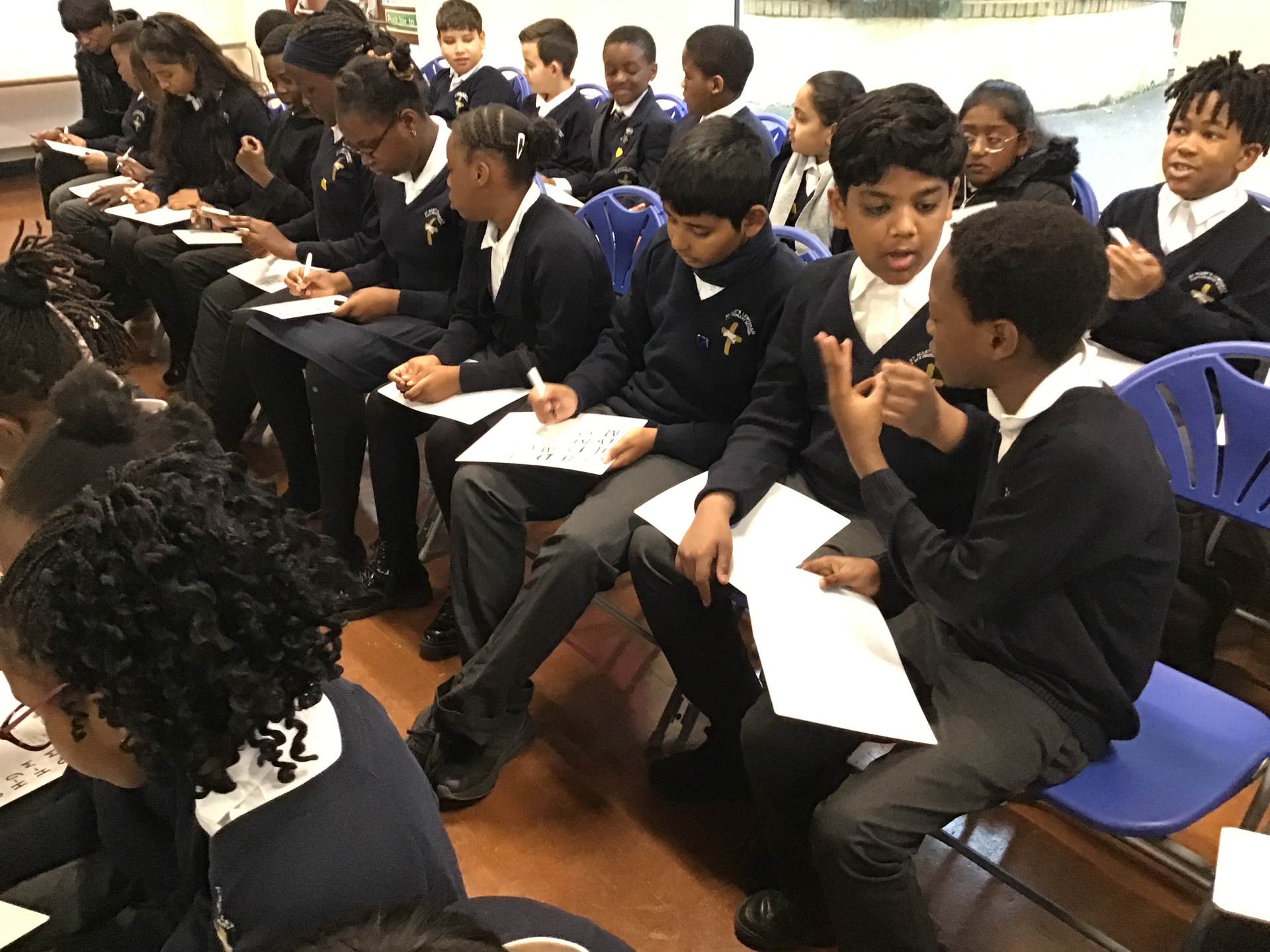
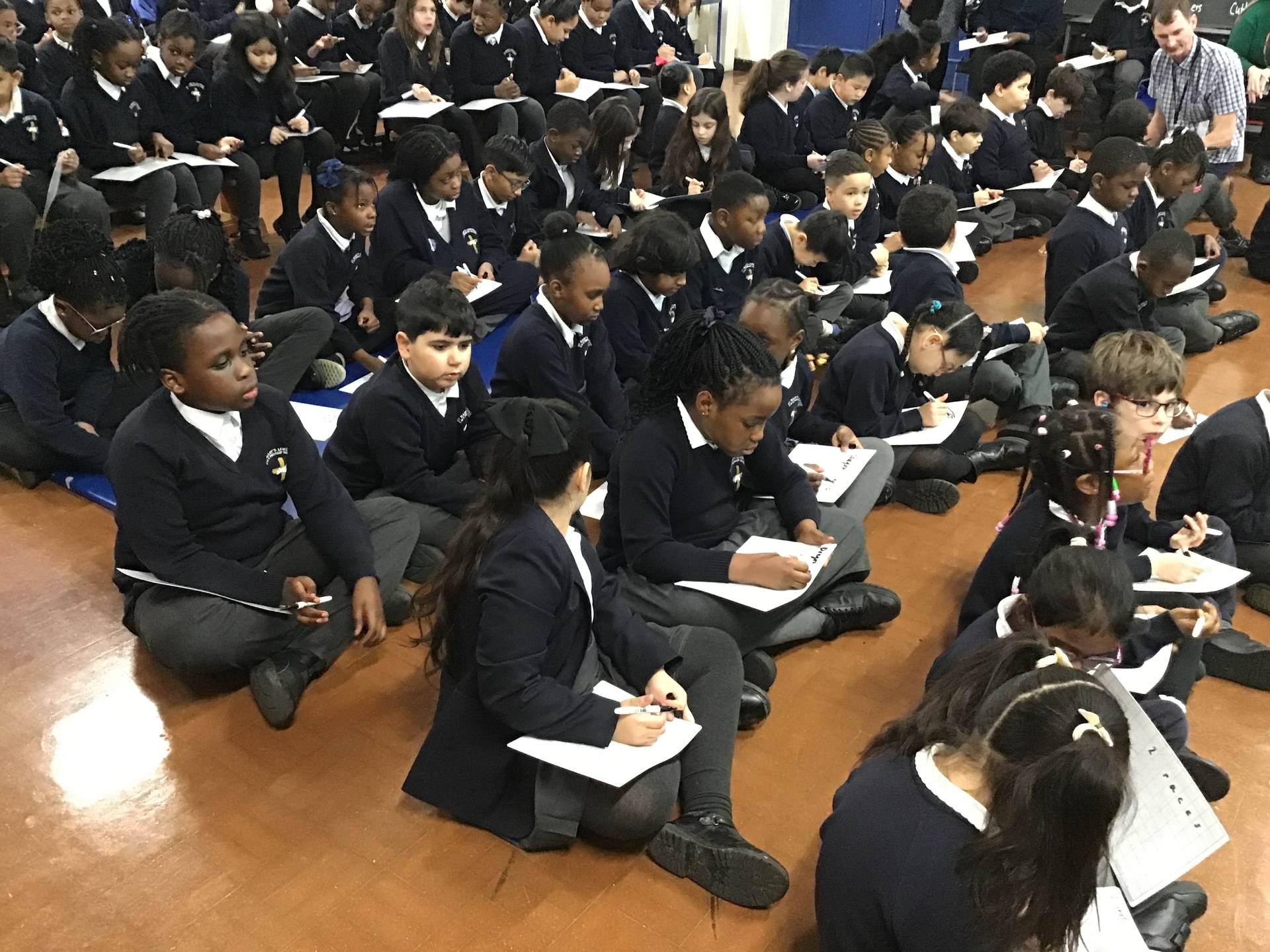
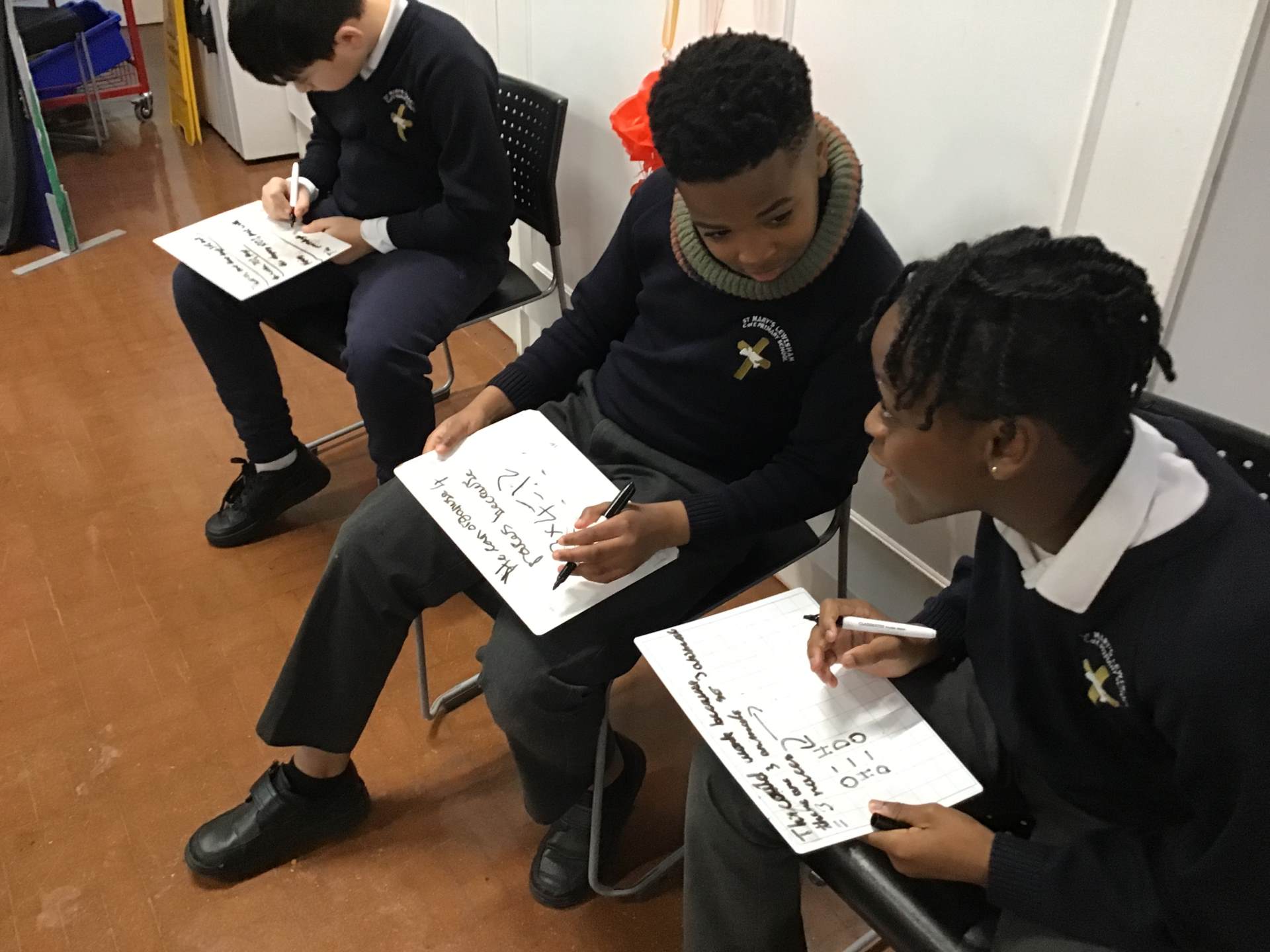
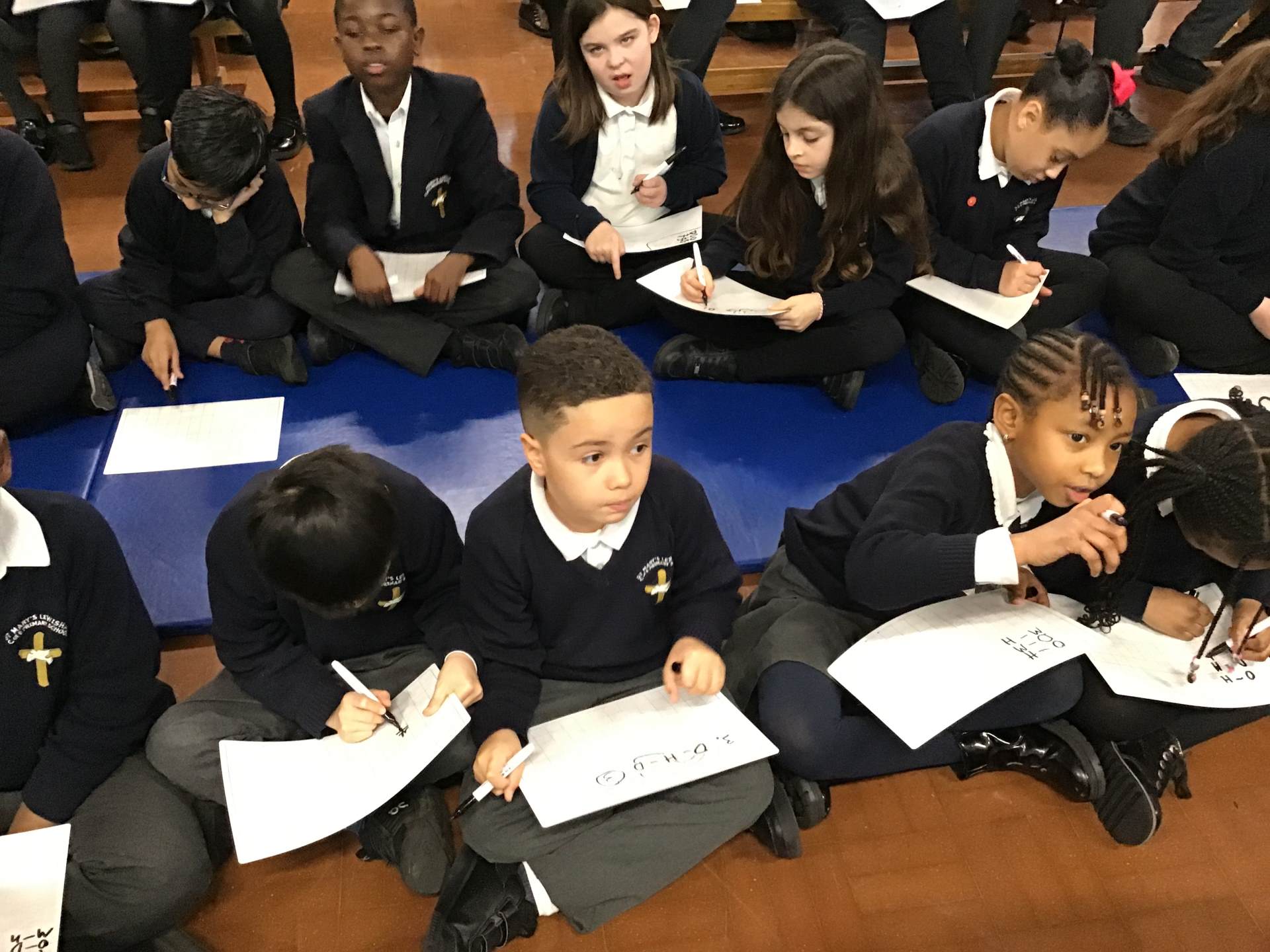
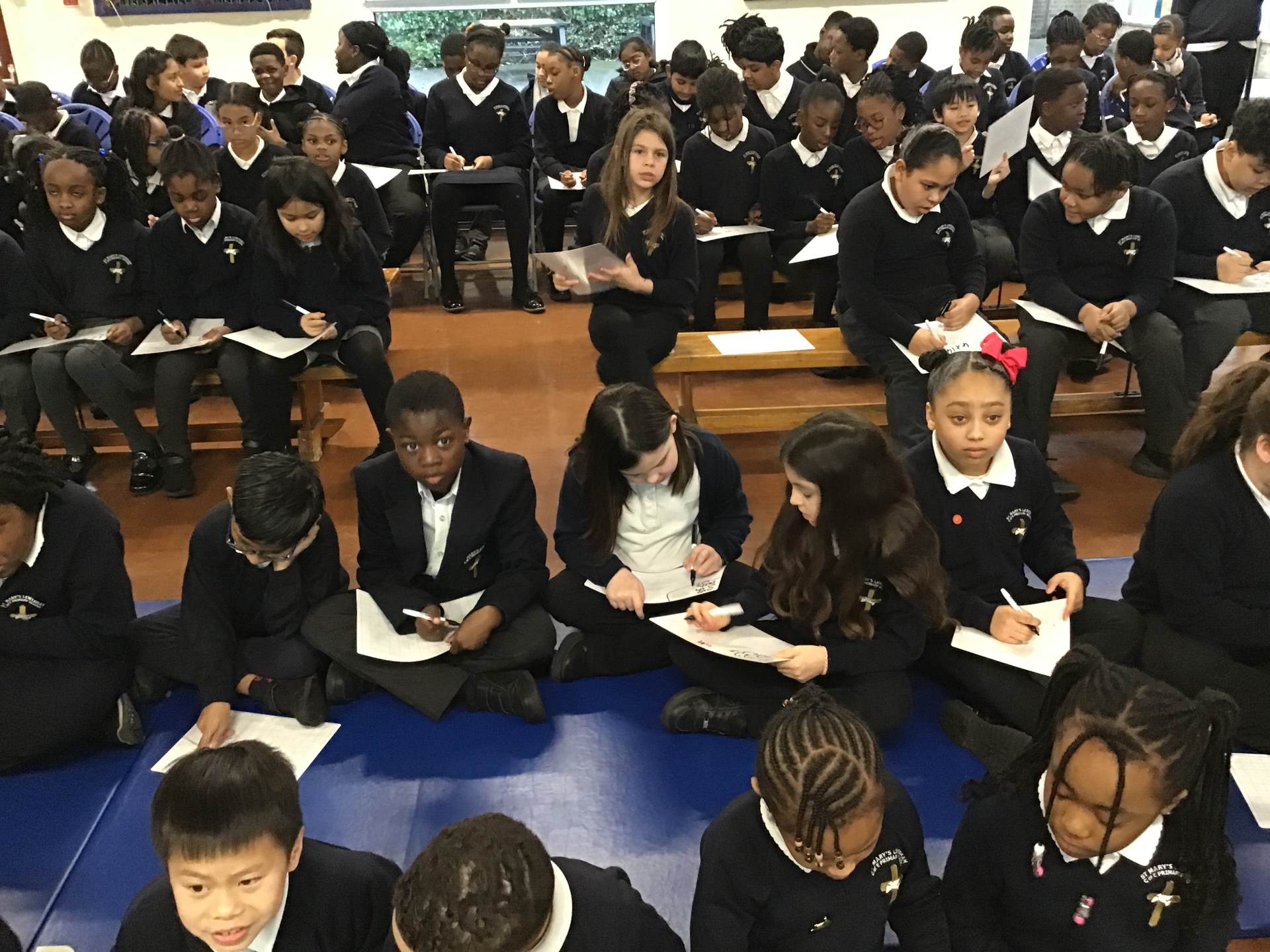
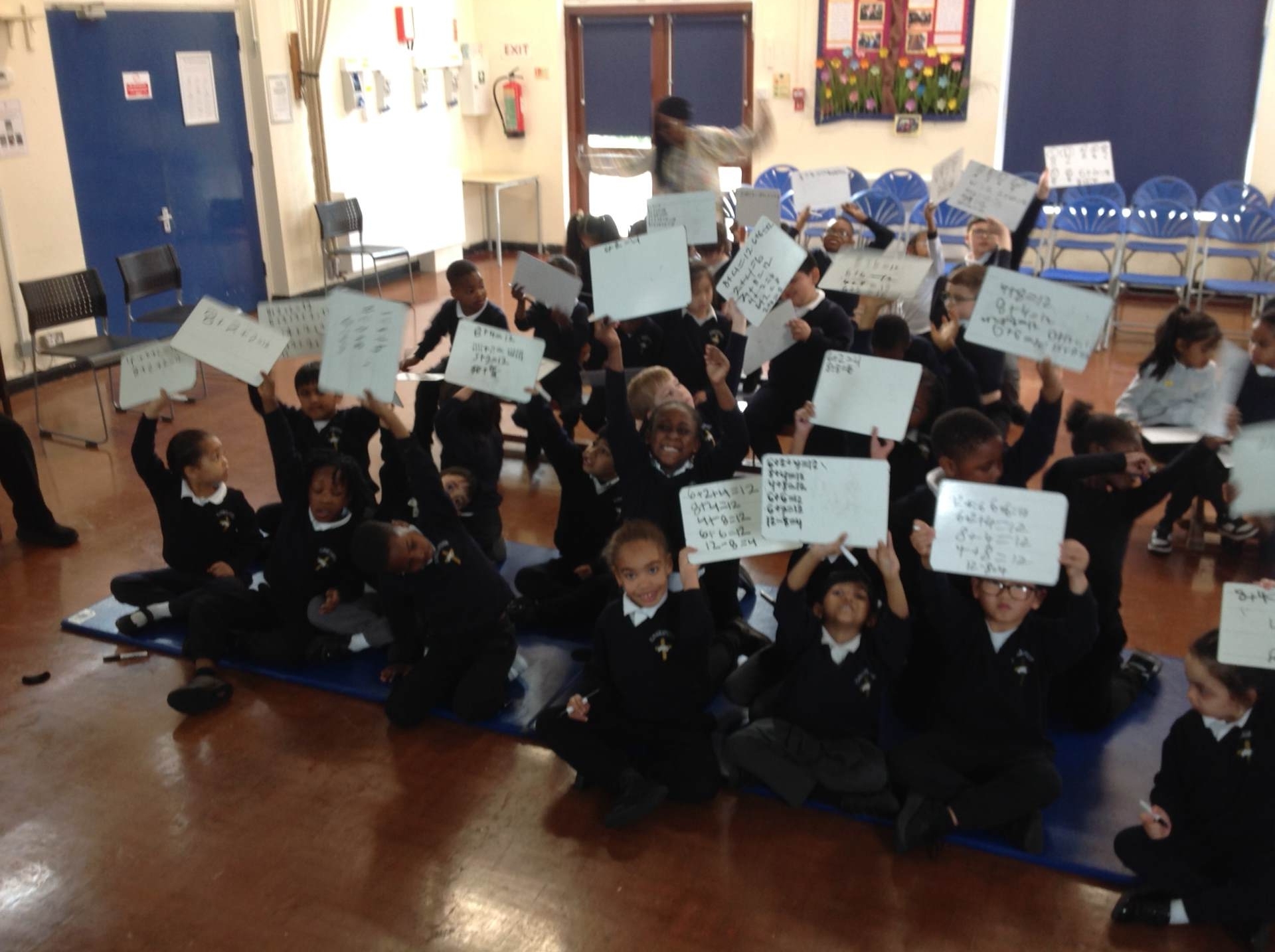
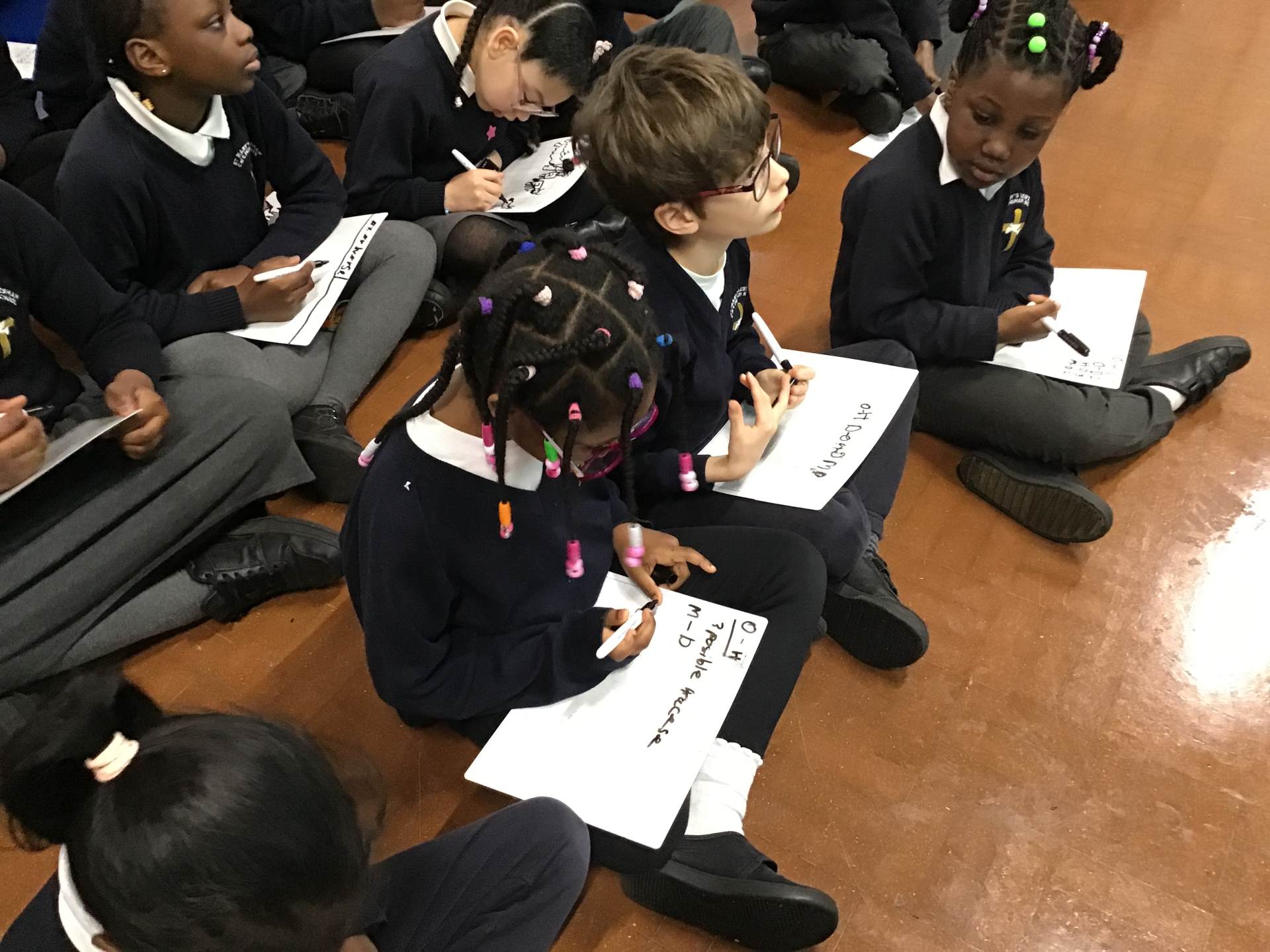
Reasoning and Problem Solving lie at the heart of our Maths curriculum. The children love to solve real problems in a context so that they can put their Maths learning into practice. Every term, there is a different focus and the challenges connect to our thematic curriculum. After a whole school Worship, each class then enjoy their own challenges, using physical resources, pictures and symbols to solve Maths Problems. Well done to all of the children who completed the Home Learning Extra Challenge - more than 30 children got the most recent answer correct!
Early Maths Stars!
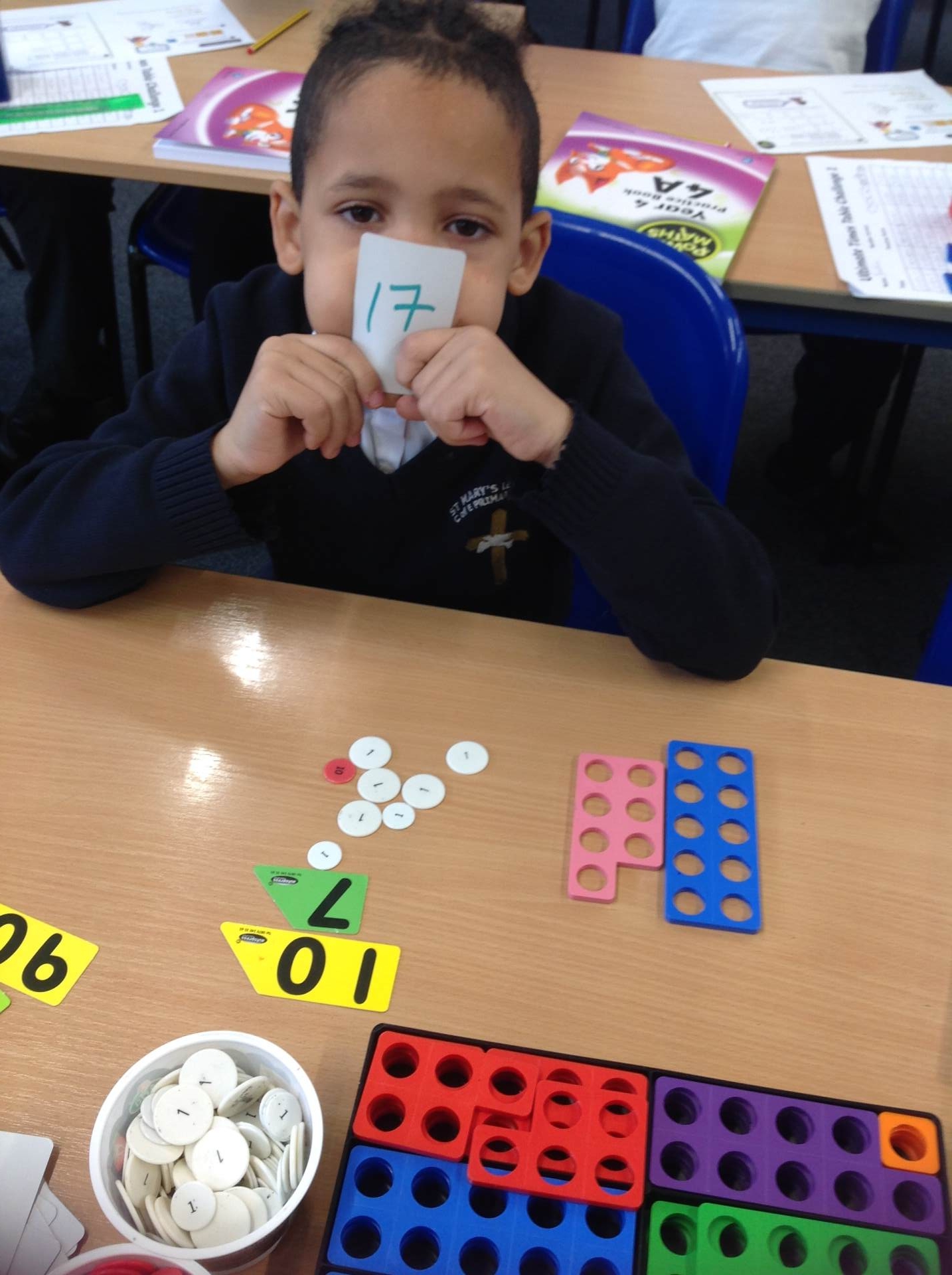
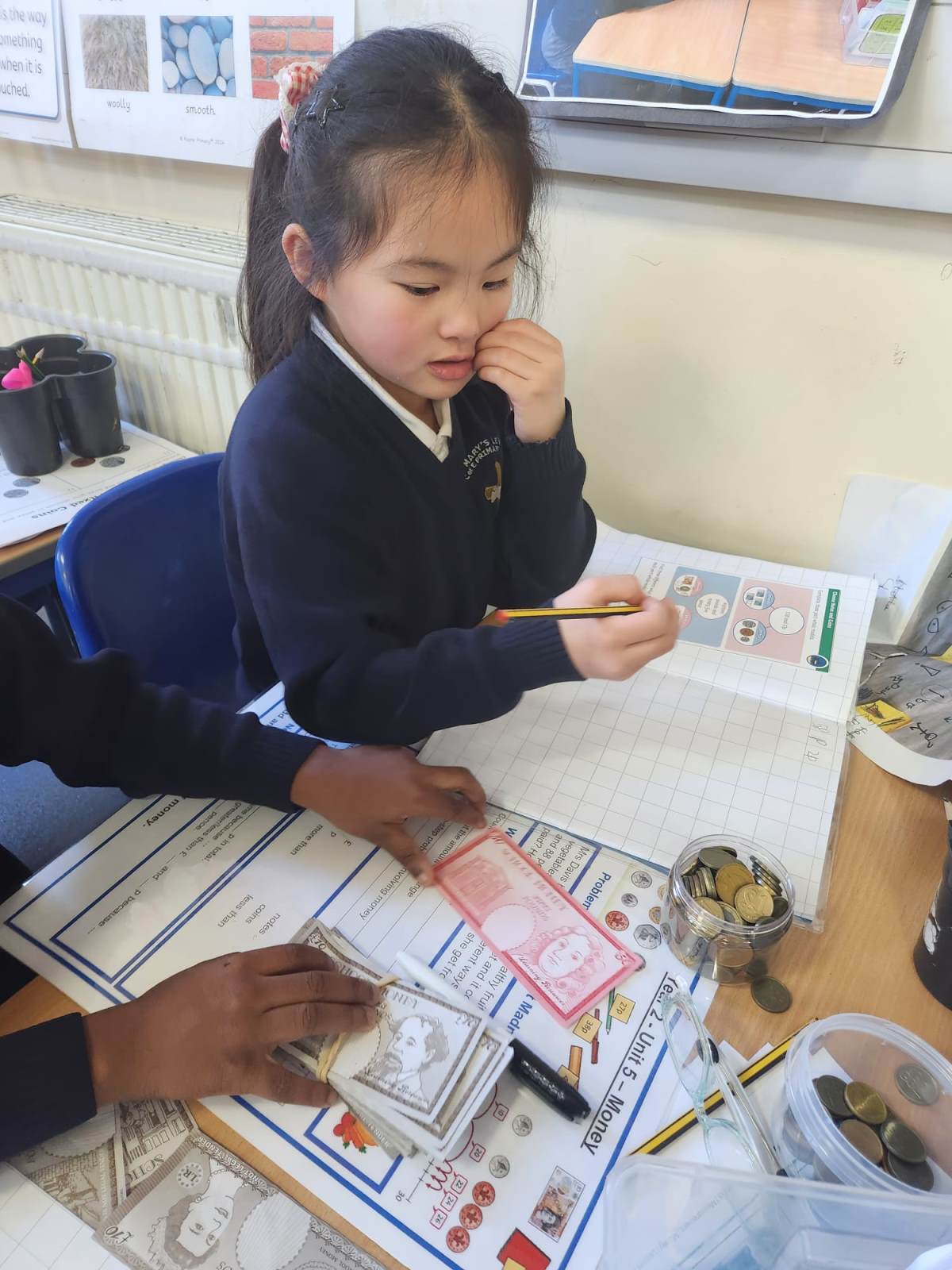
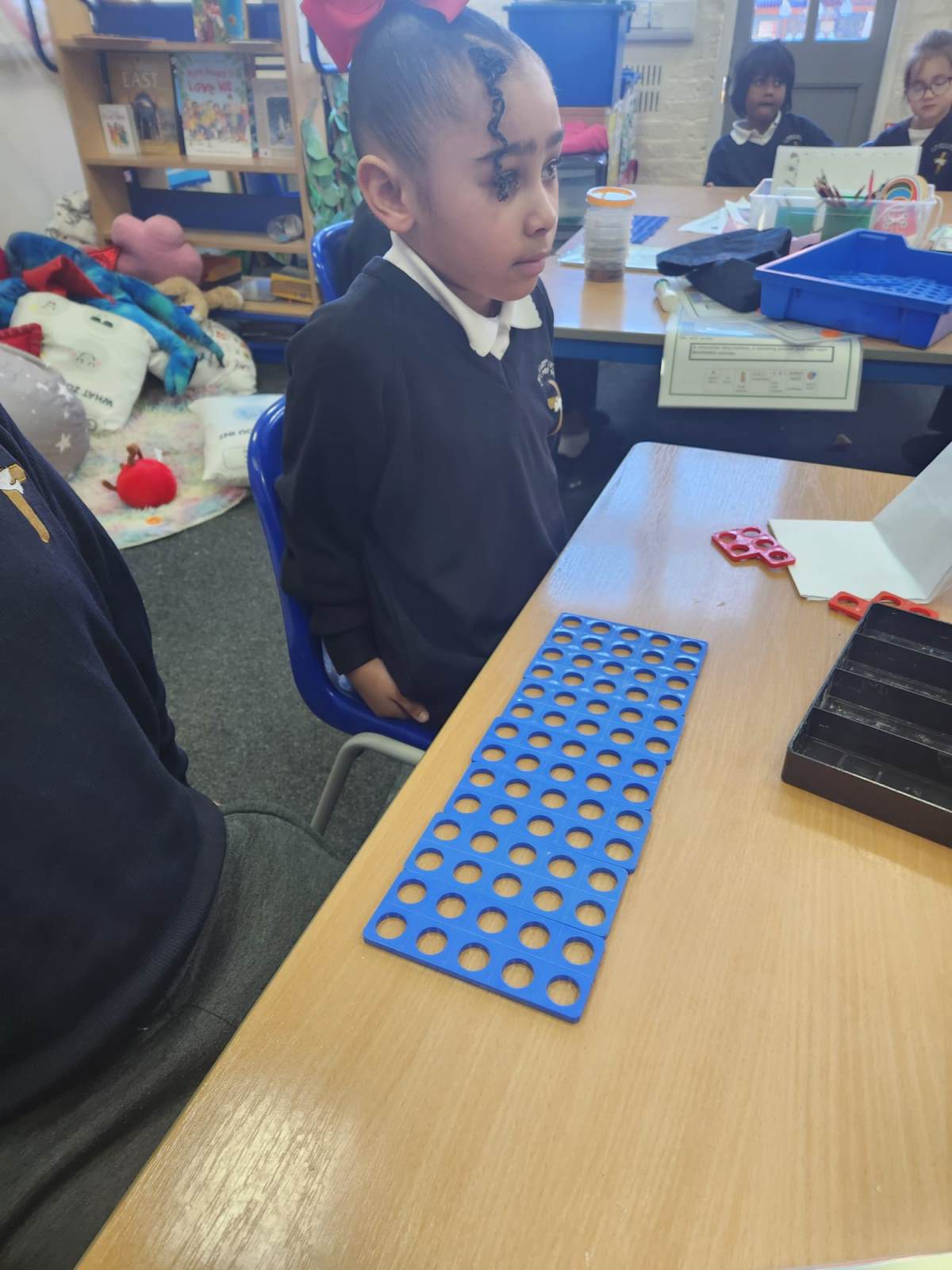
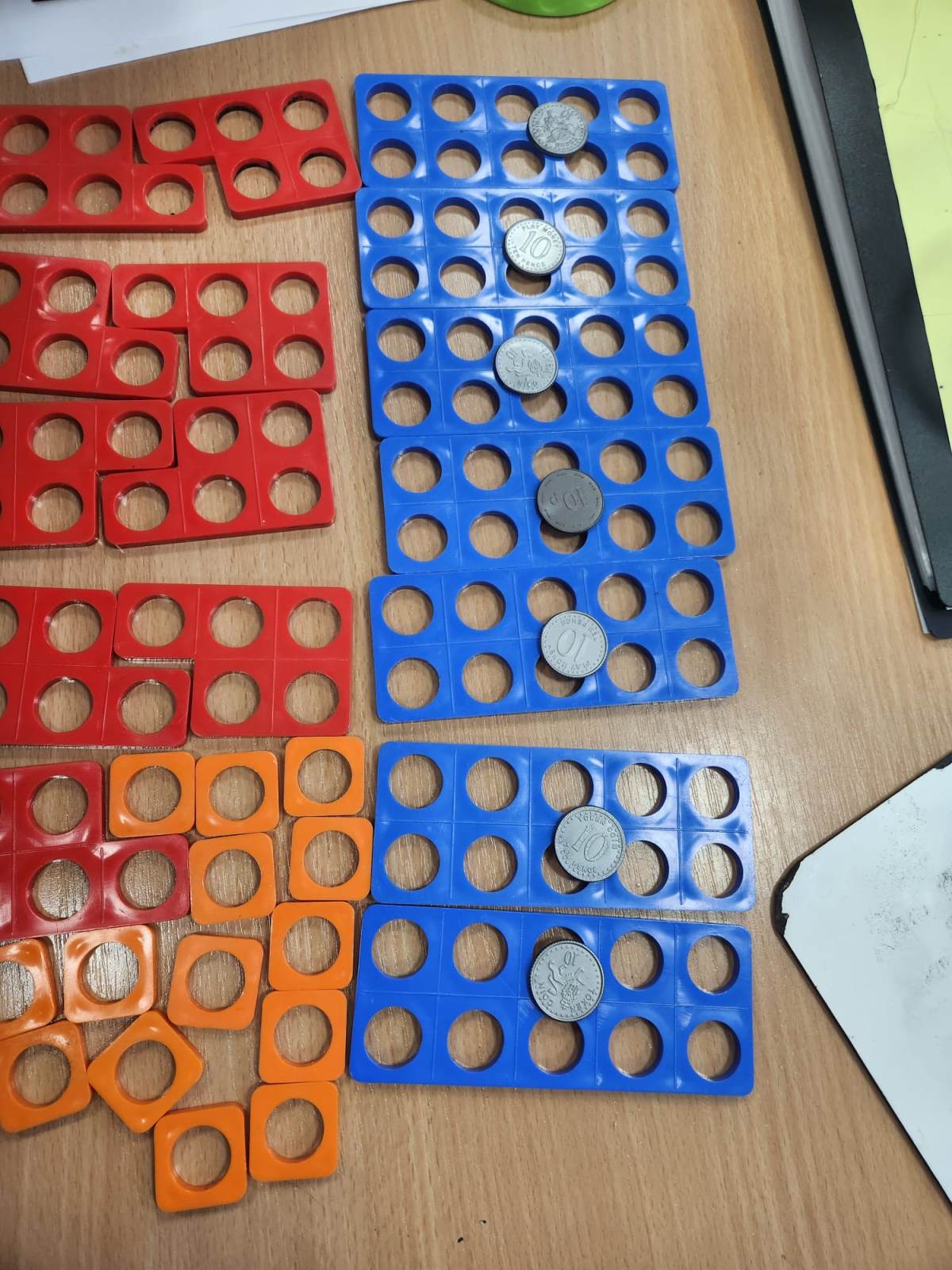
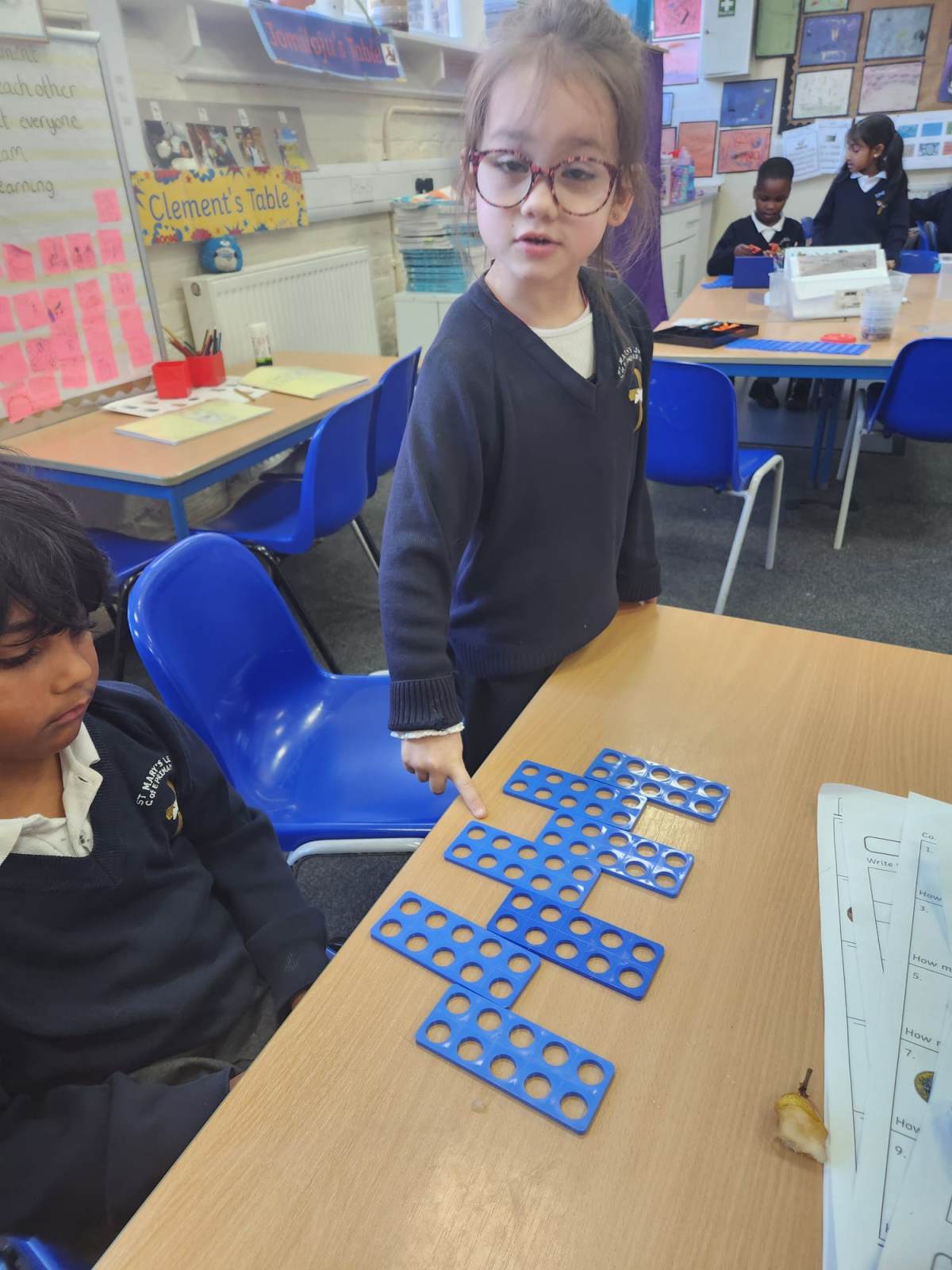
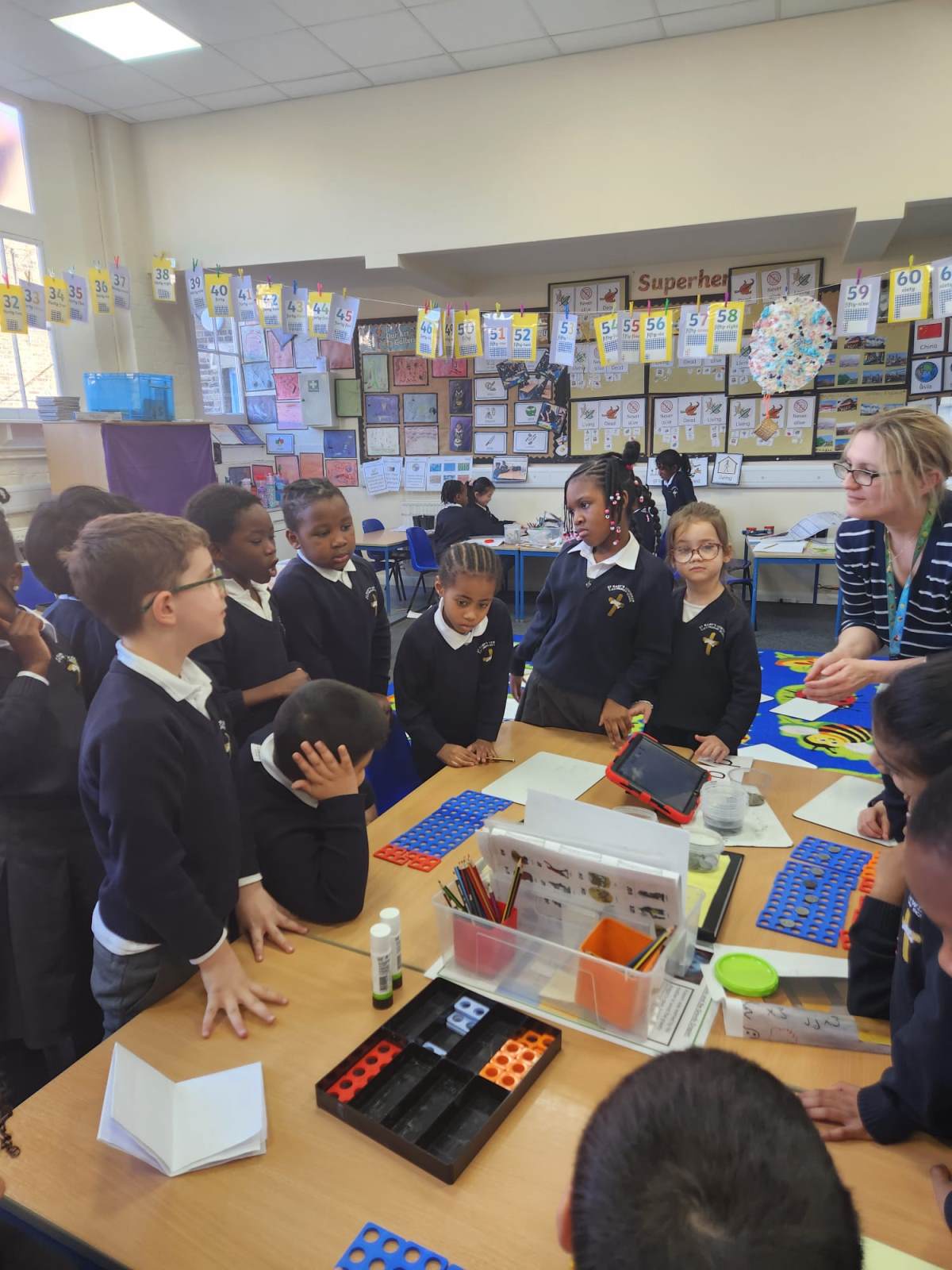
We have seen amazing progress in Year 1 and Year 2 as children use a range of resources to represent numbers, shape and mathematical concepts, develop their mathematical thinking and build their fluency in recalling number facts.
Exploring Shapes
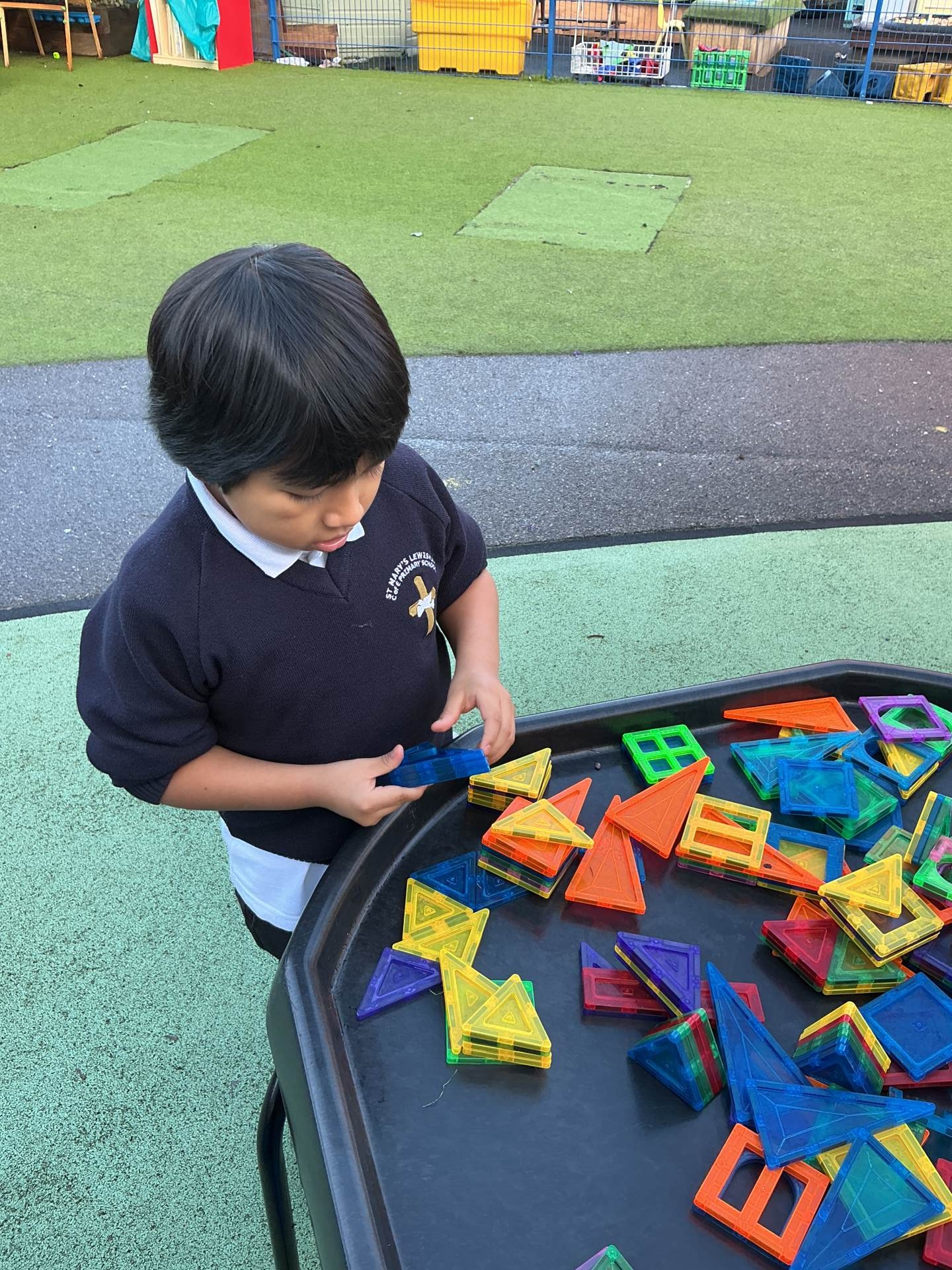
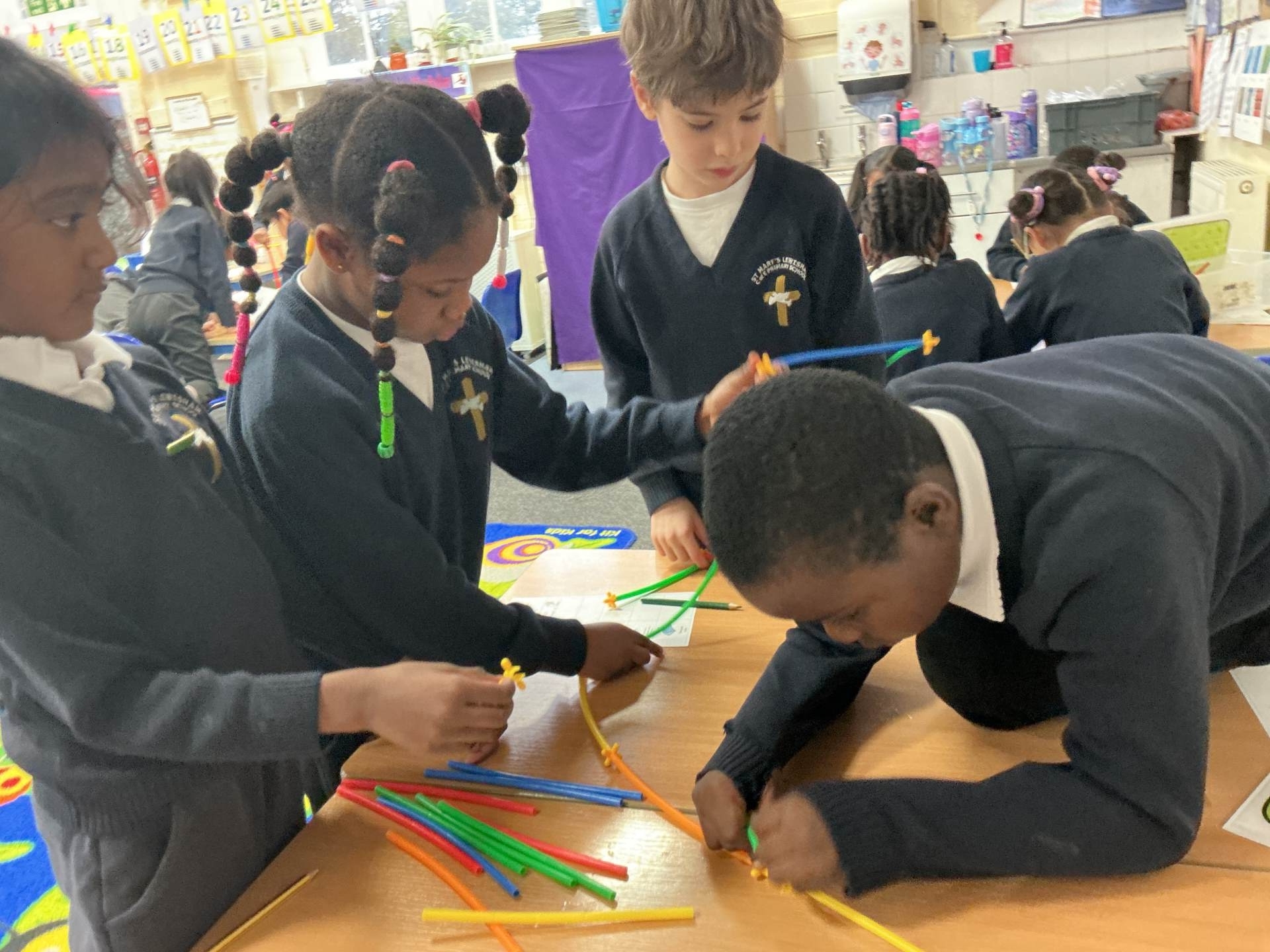
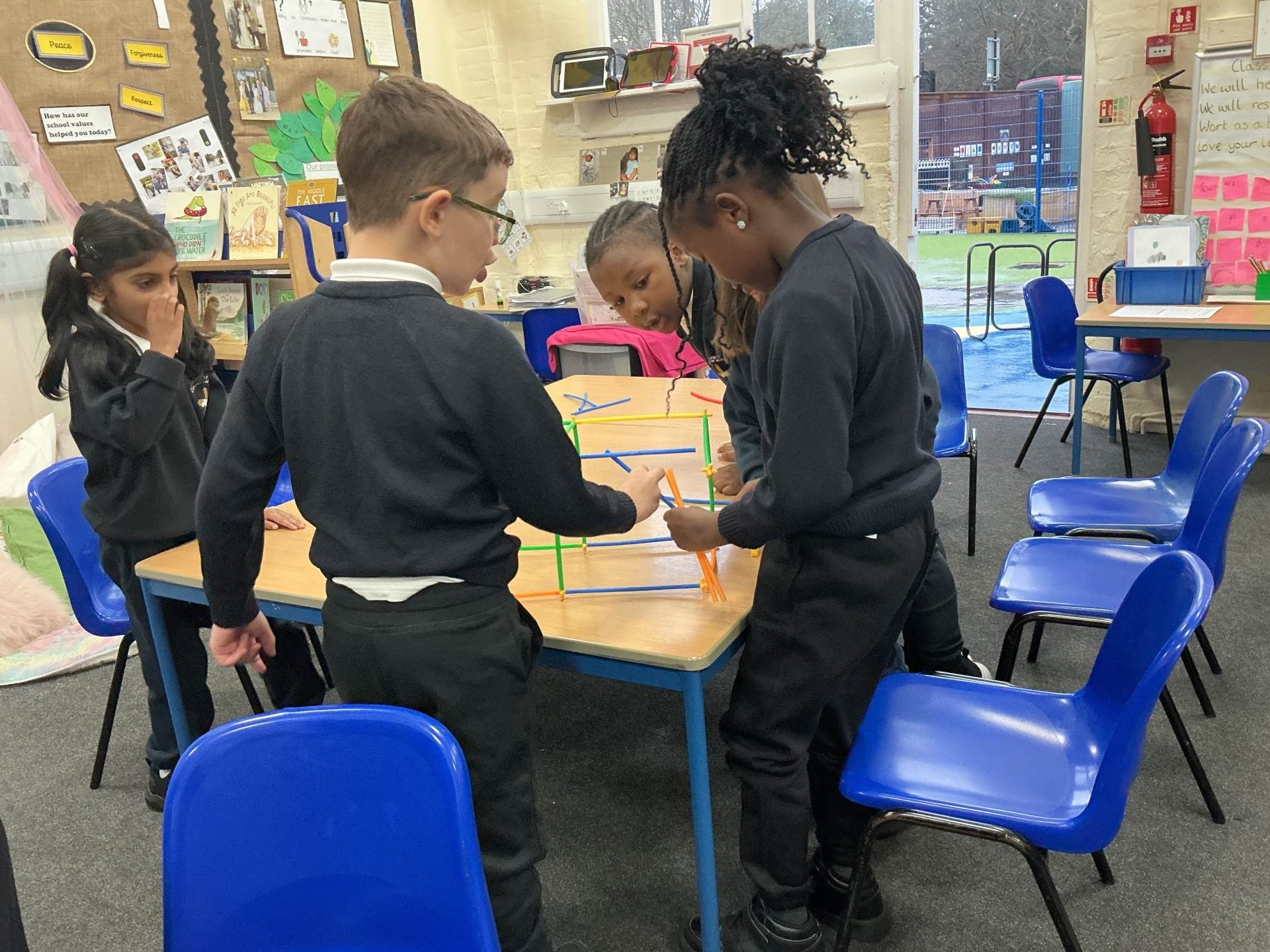
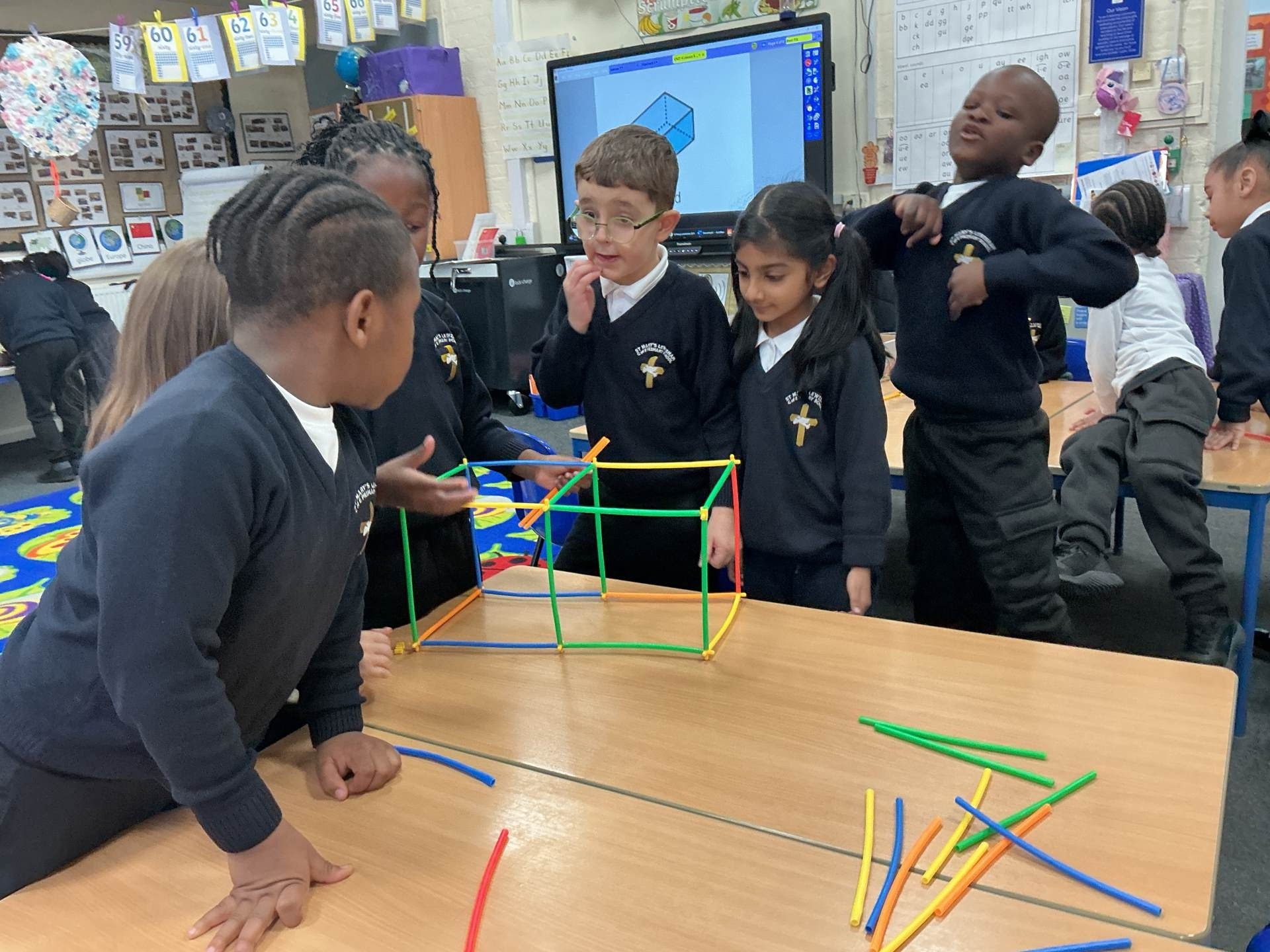
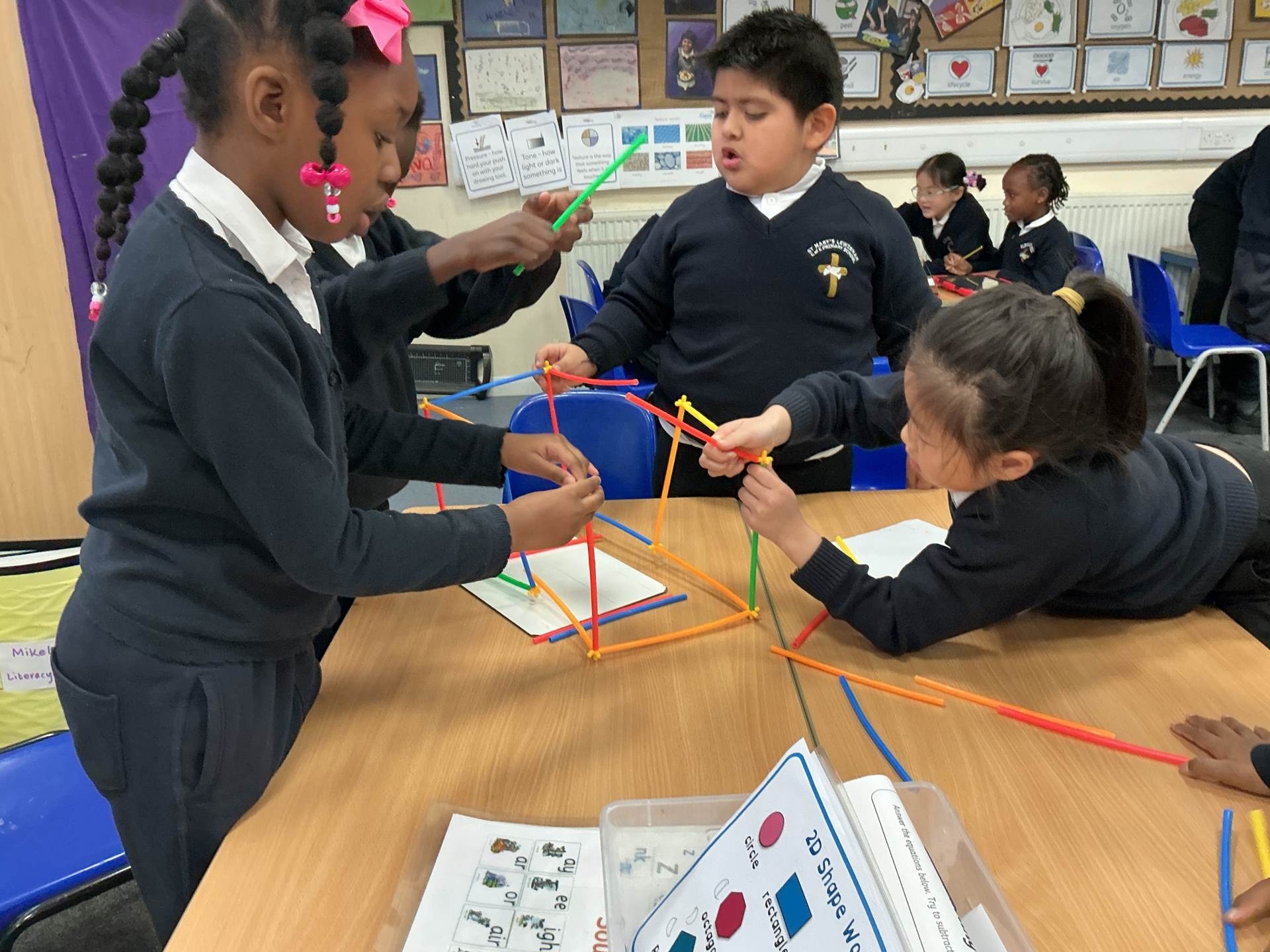
Our Maths curriculum is adapted to meet the needs of our children. In Year 2, we have been learning about 2D and 3D shapes through hands-on learning, enabling the children to physically hold, print with the 3D shapes, manipulate and build the shapes. A strong focus on Oracy supported the children to talk about what they can see and feel.
Times Table Challenge
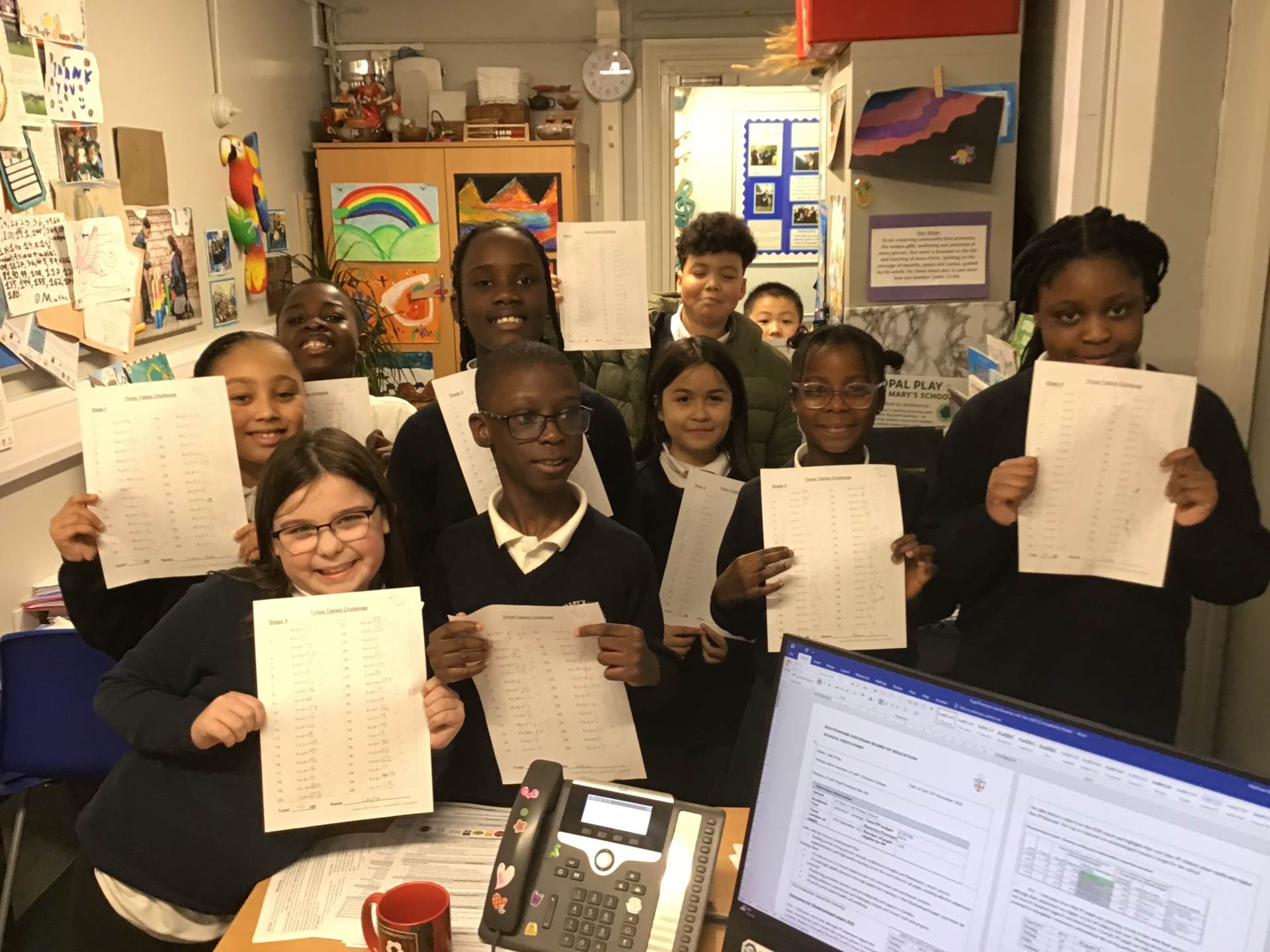
Every week, children across the School take the times table challenge. This promotes exceptional progress as you can see that many children have been scoring 100% consistently which means they get to move up a level. Children practise their times tables in School and at home, including fun games on Times Table Rockstars.
Ancient Egyptian Maths!
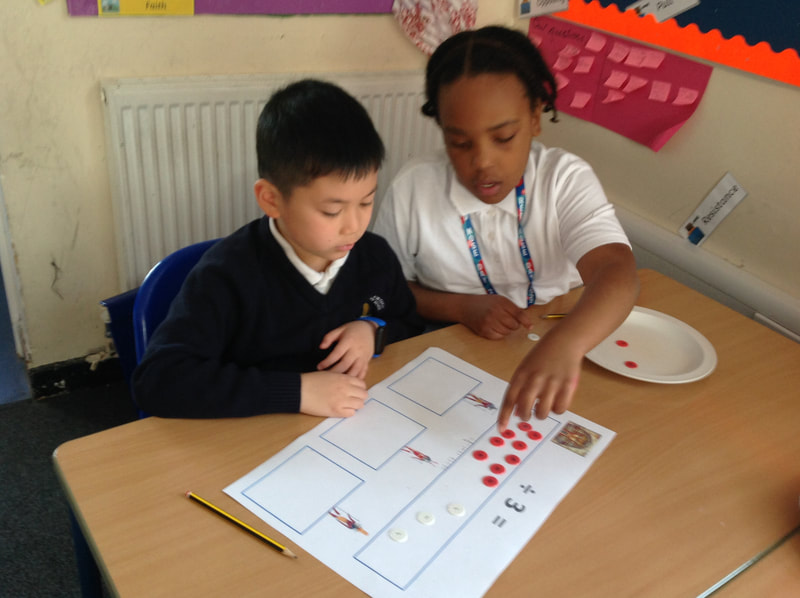
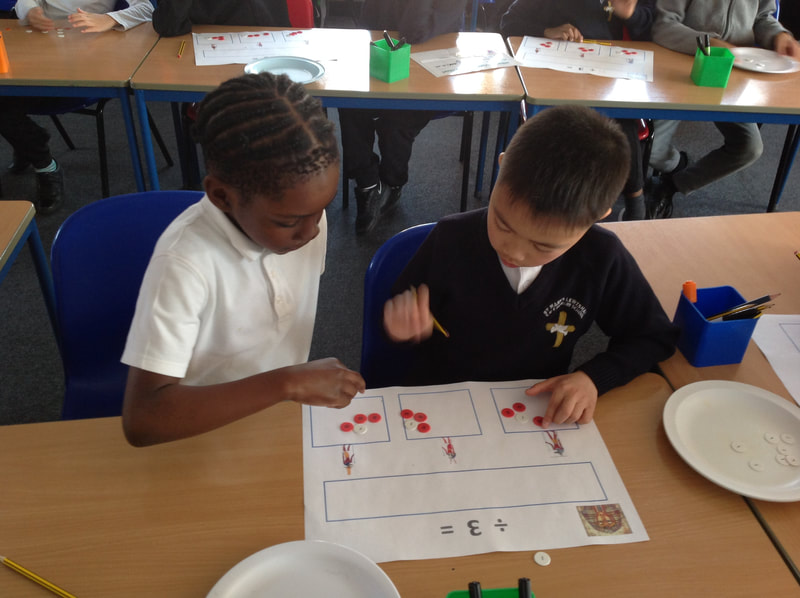
The Gods Anubis and Horus are at war and only Cleopatra can avoid disaster (with some help from Year 3)! Using their mathematical skills of division, the children were able to share out Cleopatra's treasure equally, even when Sobek the crocodile God joined the conflict.